The New Zealand Working Holiday Visa: How to Get It (and How Not to Waste It Like I Did)
Everything you actually need to know about the New Zealand Working Holiday Visa before you fly, from someone who has now done this.
So you want to spend a year in New Zealand, working here and there, chasing seasons, sleeping in a van, and pretending you have your life together. Good. That is exactly what the Working Holiday Visa is for, and it is genuinely one of the best decisions I ever made. I have now done my time in New Zealand three separate times, first on this very visa, then twice more on work visas, mostly following the grape harvest around Marlborough.
Here is the honest, no-nonsense guide to getting the visa, plus a few things nobody warns you about before you land. And at the very end, a small confession about how I completely fumbled my first go. Learn from me.
First, what this work and holiday visa actually lets you do
The Working Holiday Visa lets you live in New Zealand for up to 12 months, work in temporary jobs the whole time, study or train for up to 6 months, and hop in and out of the country as much as you like. You do not need a job offer to apply, which is the whole beauty of it. You show up, you find work, you leave when your time is up. The only thing you cannot do is take a permanent job or run your own business. Casual, seasonal, temporary, that is the game.
Who can get it
The two big questions are your age and your passport.
For most countries the WHV is open to people aged 18 to 30. But a handful of nationalities can apply right up to 35, including the UK, Canada, Argentina, Chile, the Czech Republic, Finland, Hungary, Slovakia and Uruguay. If you’re French like me, it’s 18 to 30, so don’t sleep on it if you’re creeping toward that birthday.
Beyond age, the basics are: you need to be a citizen of a country that has a working holiday agreement with New Zealand, and for most people it has to be your first WHV for the country. Your passport needs to be valid for at least 15 months from the date you arrive. And your reason for going is officially “holiday”, so keep that in mind on the application.
The other important catch, and I mean important, is that you can only ever be granted the New Zealand Working Holiday Visa once. Even if you never use it, that is your one shot gone. So do not apply on a whim at 3am because you were feeling spontaneous, because there is no second try. You also need to be in good health, of good character, and have a genuine reason for going, which for most of us is simply wanting to see the most beautiful country on the planet.
How much it costs
The visa itself is around NZD $770. On top of that, and this trips people up, you have to prove you have at least NZD $4,200 in your account to cover your living expenses when you arrive. That is not a fee, it is just money they want to see so you do not land completely broke.
And do not skip travel insurance that covers your entire stay, because it’s genuinely required and they can ask for proof. I compared the best providers for a Working Holiday stay in this travel insurance guide, worth a look before you pick one.
How to apply
The good news is the whole thing is online and honestly not that painful.
The whole thing is done through the Immigration New Zealand website. You create an account, fill in your passport details, upload your documents, and pay. They may later ask you for proof of your funds, your insurance, a medical or chest X-ray, or police certificates, so be ready because they can come knocking. That’s it. No interview, no consulate visit, no printing a forest of paperwork. Just don’t leave it to the last minute even if Processing is fast, I have honestly had mine come back in 3 days.
One thing to watch: once your visa is issued, you have to actually enter New Zealand within 12 months, and you cannot pause it or cancel it. If you do not turn up in time, it expires, and remember, that was your one and only shot. When you land and start working, you will also need an IRD number so you can pay tax, which you sort out once you arrive.
Ready to start? Here is the official page: Apply on Immigration New Zealand →
Staying a little longer
If you spend at least 3 months doing seasonal work in horticulture or viticulture, so basically picking fruit or working the vines, you can apply for a Working Holiday Extension Work Visa and stay another 3 months. Fifteen months total instead of twelve. If you are into wine country and manual work, this is an easy win, and honestly the vineyard work is how I fell in love with the whole itinerant life in the first place.
But be ready to spend another 770 dollars, yes same price as the one year visa for 3 more months, crazy stuff.
Sort these out before you fly
A few things are so much easier to handle from your sofa at home than in a hostel with dodgy wifi and jet lag.
Flights first. New Zealand is far from everywhere, so the ticket is usually your biggest single cost, and the difference between a good deal and a bad one is hundreds of euros. I wrote a whole guide on this.
Read my 10 tips for finding the cheapest flight →
Then the boring but essential trio: banking, Opening a local account can be a hassle when you first land, so a lot of us travel with a multi-currency card to get paid and spend without getting eaten alive by exchange fees. Wise and Revolut are the usual suspects.
I broke all of this down step by step in my before-you-go guide.
Read money and banking abroad →
Things nobody tells you about New Zealand
Some of this you only learn by getting it wrong, so let me save you the trouble.
You drive on the left. That part you’re usually warned about before you land. What nobody mentions is that the indicators are swapped too, and you’ll forget it constantly: expect at least fifteen times in your first week where you reach to signal a turn and flick the wipers on instead, staring at your suddenly spotless windscreen.
Bars and restaurants close early. Genuinely early. If you rock up hungry at 9pm hoping for a proper dinner, you will often find the kitchen shut and the chairs already on the tables. Eat early, or learn to love a supermarket dinner.
On food, the two things you have to try are the pies and the fish and chips. The savoury pies are a national religion, sold everywhere from petrol stations to fancy bakeries, and they are the perfect road-trip fuel. The fish and chips are best eaten out of the paper on a beach while the sandflies plot your death, more on those in a second.
You can walk into a supermarket barefoot and nobody will blink. It is completely normal here. Nobody is judging your outfit, or your lack of shoes, and it is honestly liberating. Which brings me to clothes.
You will rethink your entire wardrobe. Buy a fleece and pack good t-shirts, because the New Zealand uniform is basically a fleece t-shirt. The sun is brutally strong, the hole in the ozone layer is not a myth, so you will burn faster than you expect, but the nights are cold all year, even in summer. Layers are your whole personality now.
And finally, the sandflies. There are no mosquitoes to speak of, which sounds like great news, right up until you meet the sandfly. These tiny little demons, especially on the West Coast and around the fiords, will become your sworn enemy. They bite, the bites itch for days, and no amount of swearing helps. Bring repellent, cover your ankles, and make peace with the fact that you will lose this war more than once.
An honest last word
Here is the confession. I think I wasted my Working Holiday Visa.
Not the working part, that was fine. The problem is I did not make the most of the time I actually had. I did a two-week road trip before starting my contract at a winery in Marlborough, then one more week after the contract ended, and that was it. New Zealand deserves months of slow travelling and I waste it.
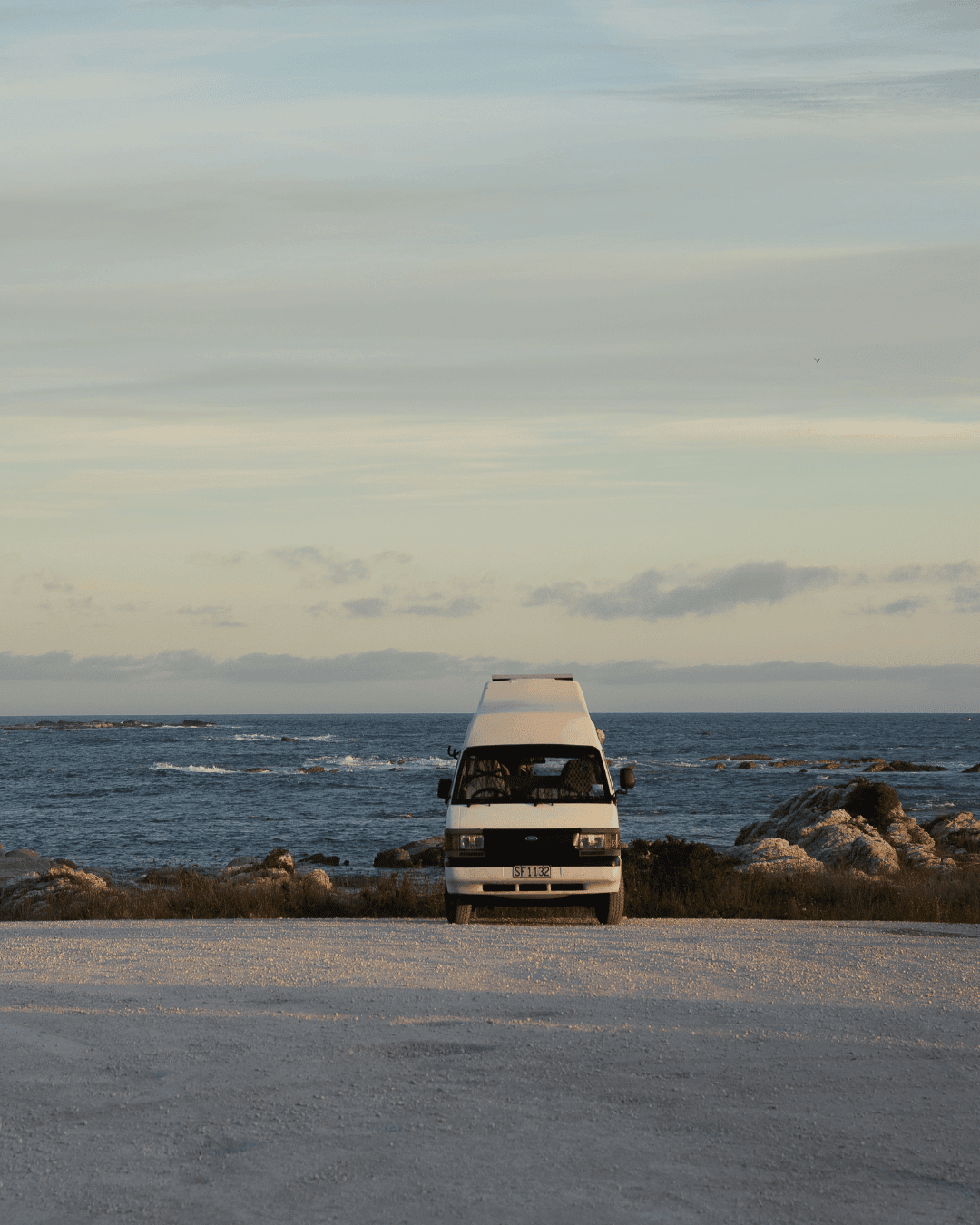
The saving grace is that I have been back twice since to work, which lets me road trip before each contract starts. But now I am on a work visas, and those usually give you only about a month more (if you’re lucky) than the length of the contract itself. So exactly when I want to stay another three or four months, buy a van, and properly disappear into the South Island, the visa taps me on the shoulder and tells me time is up. If you do make it down to the South Island, these are my three favorite free camping spots to help you get started.
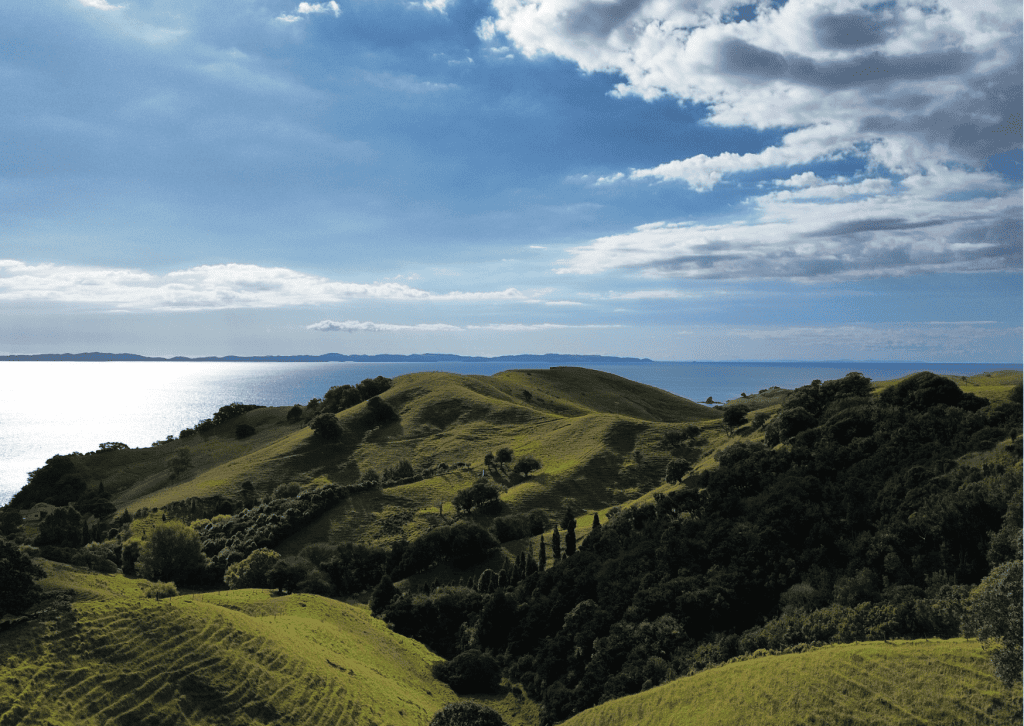
So take this as your one piece of real advice from someone who learned it the hard way: you get twelve whole months on this visa, so use them. Do not rush straight into work and then sprint to the airport. Build in real time to explore, before, during, between contracts, whenever. The work will always be there. That view over the Marlborough Sounds at golden hour, with nowhere you need to be, is the thing you will actually remember. That kind of view is exactly why I never travel without my camera gear, here’s everything I bring with me.
Go. And drive on the left.