Coromandel Itinerary: 2 Days in the Prettiest Corner of the North Island
My first time in New Zealand, I gave myself one week on the North Island, solo, before meeting a friend for ten days on the South Island and starting my contract at Cloudy Bay. Spoiler alert: it is nowhere near enough.
Out of everything I squeezed into that week, the Coromandel is the one I regret the most. I gave it two days and two nights, which is objectively ridiculous, and I fell for it in a way I did not see coming. The kind of crush where you sit down at a viewpoint and start crying a bit, and then look around to check nobody saw you. That happened. Twice, if we are being honest.
So this is the guide I wish someone had handed me: what the best Coromandel itinerary when you only have two days and where to sleep for cheap.
How long do you actually need in the Coromandel?
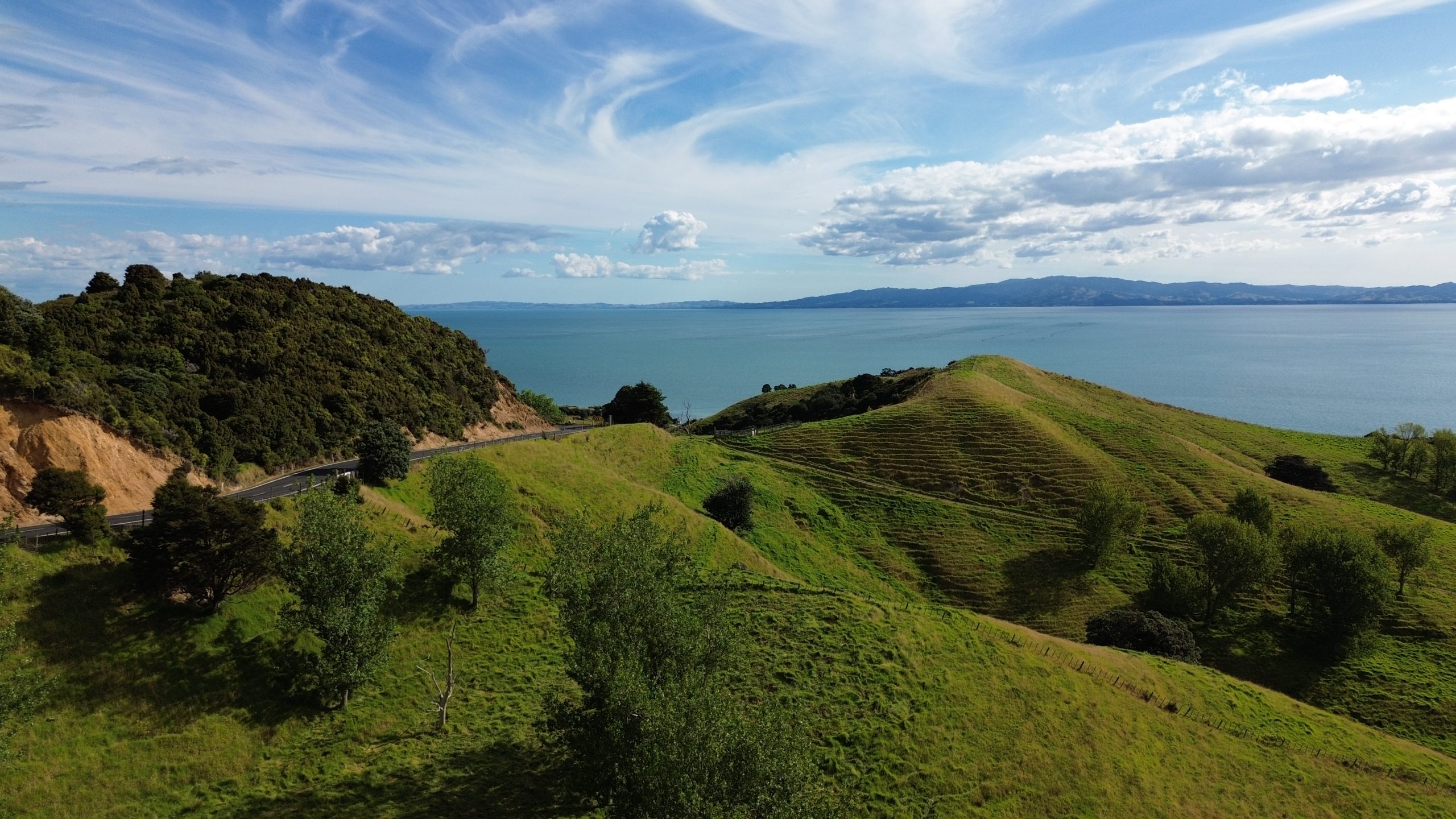
Honest answer: four or five days. The peninsula looks tiny on a map and it is not. The roads twist, half of them are gravel, and everything takes about forty percent longer than your GPS promises. Add the fact that you will stop constantly because there is another bay, another kauri tree, another lookout.
I had two days and two nights. It was enough to see three things properly and to understand that I had made a scheduling mistake. If that is also your situation, do not try to tick off the whole peninsula. Pick a small handful of spots, do them slowly, and accept that you are coming back.
Here is what I would keep if I only had 48 hours again.
Cathedral Cove, and the parking situation nobody warns you about
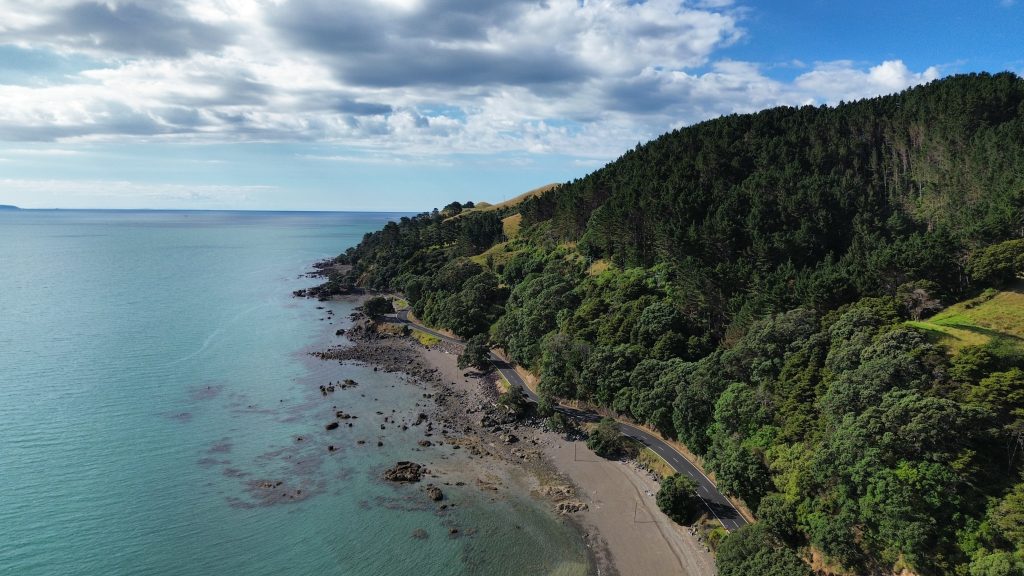
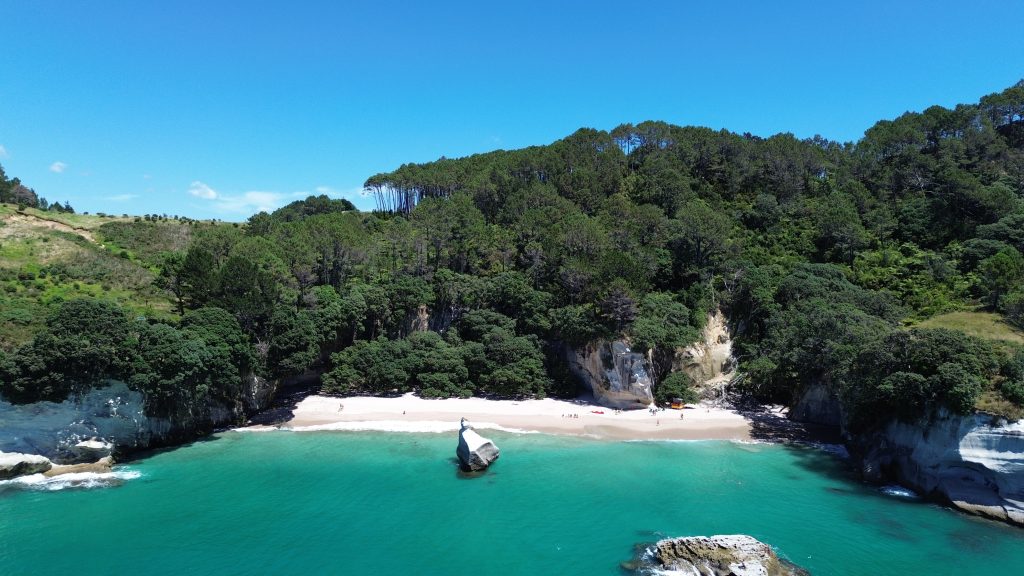
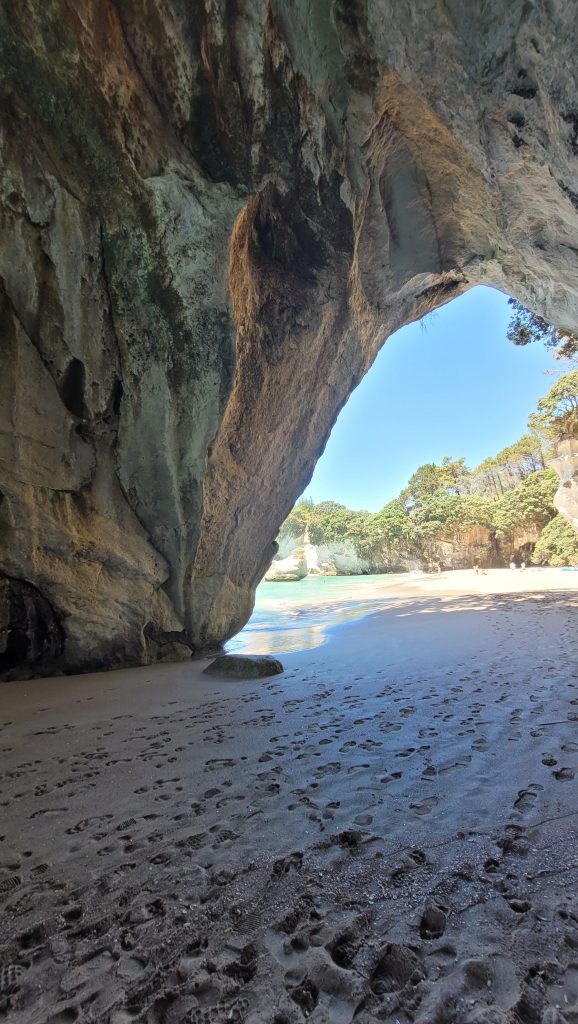
Yes, it is the photo you have already seen a hundred times. Yes, it is still worth it. Mautohe Cathedral Cove is that huge arch carved into pale rock, sitting between two beaches, with water that genuinely looks fake in photos and then looks exactly the same in real life.
How to get there on foot
You cannot park at the start of the track. This is the part that catches everyone out. There is a free visitor car park at the entrance of Hahei village, and from there you either take the park and ride shuttle up to the track entrance at the top of Grange Road, or you walk up Grange Road yourself, which takes around 30 minutes and is one long uphill with almost no shade. The shuttle was around NZ$8 return when I looked, running roughly from 9am to 6pm, but prices change so check on the day.
I walked it, because I am cheap and because I did not understand what I was signing up for. It is fine. Just do not do it at 1pm in January with one small water bottle, like I did.
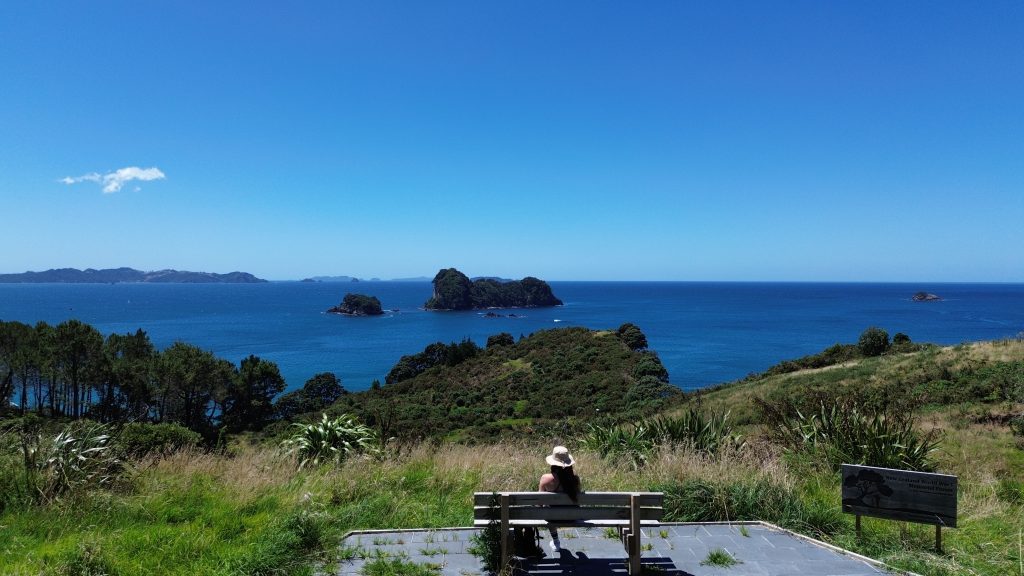
From the top of Grange Road, the actual track to the cove is about 1 hour 30 minutes return. It follows the coastal hilltops through bush and open grass, then drops down steeply with a lot of steps at the end. It is well formed but it is not flat, and jandals are a bad idea. There is a toilet at the track entrance and another one roughly 10 to 15 minutes before the beach, and none at all once you are down there.
There is also a second option: the privately owned Cathedral Cove Gateway Trail, a farm walk starting at 150 Lees Road with paid parking, which joins the main track and gets you to the cove in about 30 to 40 minutes.
The bit you actually need to read before going
Cathedral Cove has had a rough few years. Storms and cyclones in 2022 and 2023 wrecked the access, walking access was only restored at the end of 2024, and another storm in January 2026 closed it again before DOC and Ngāti Hei reopened the main track after inspection.
As of mid 2026 the main track is open, but with real conditions attached. The coastline there is unstable and prone to rockfall and landslides. The track now closes automatically whenever there is an orange or red weather warning. The side tracks to Waimata Gemstone Bay and Stingray Bay are closed, and so is the old Hahei Beach walk up to Grange Road.
So: check the DOC page the morning you go, do not go during or right after heavy rain, do not sit under the cliffs for your photo, and move through the archway instead of standing in it. Go at low tide if you can, it is when there is the most beach and the least chance of getting cut off.
Nearest towns for context: Hahei is 2 km away, Whitianga 35 km, Coromandel Town 54 km.
The 309 Road, the best gravel road on the peninsula
If you take one thing from this whole article, take this one. The 309 Road is a 22 km gravel road cutting across the peninsula between Coromandel Town and Whitianga, and it is the single best drive I did in the North Island. Bush closing in over the road, no phone signal, no traffic, and a handful of stops that are all worth pulling over for.
It is gravel but it is a normal, well used gravel road. A regular rental car handles it fine, you just drive slowly and expect to arrive covered in dust. Some rental agreements technically restrict unsealed roads though, so have a look at yours before you commit.
Waiau Falls
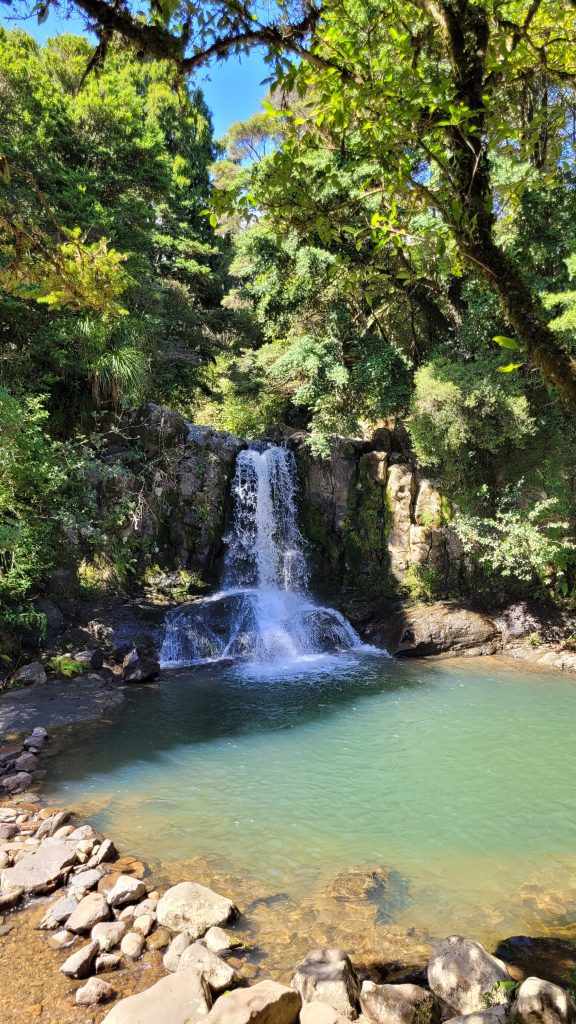
A short, signposted stop a few kilometres in from the Coromandel Town end. You park on the side of the road and it is a two minute walk down to the falls. Small, cold, very green, with a pool at the bottom that people jump into. I did not, because it was about eleven degrees and I have limits.
Waiau Kauri Grove
Around a kilometre further along the road from the falls parking area, also signposted, and this one surprised me more than the waterfall. A short boardwalk loop through actual mature kauri, including the famous Siamese Kauri, two trunks fused together. Standing under a kauri for the first time is a strange feeling, they are so out of scale with everything around them.
Please use the shoe cleaning stations at the entrance. Kauri dieback is a real problem and it spreads on dirt stuck to your soles.
Castle Rock, and why you should check before you go
The track up Castle Rock leaves from Castle Rock Road, off the 309, and it climbs hard. Steep, muddy in places, short. The views from up there are the reason people do it.
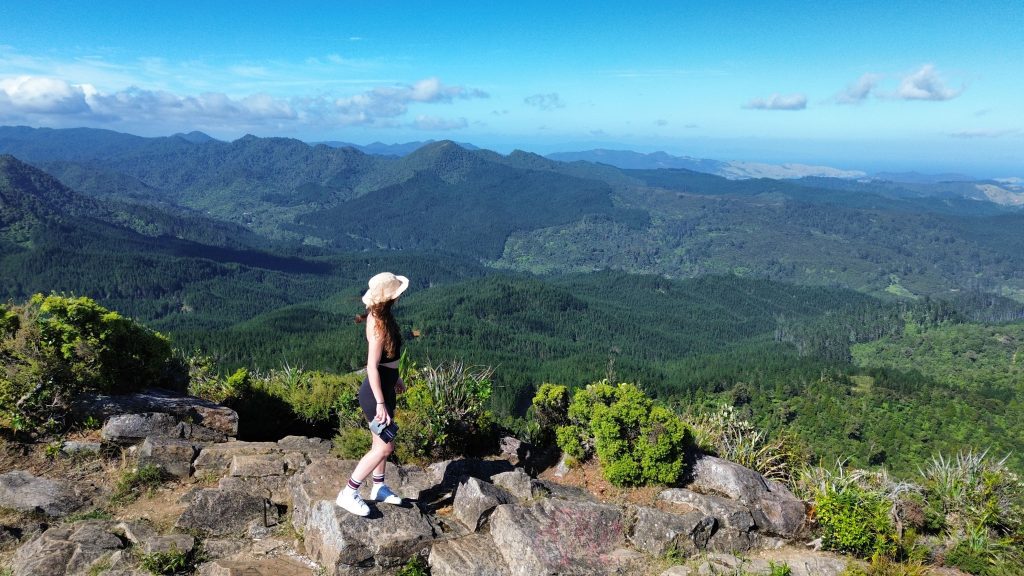
One important thing though: the rock itself, Motutere, has been closed to public access since 2018, after two deaths in the area. A rāhui was placed on it, the mountain is privately owned by Ngāti Huarere, and unauthorised access has been treated as trespassing. I am not going to tell you to climb it. Access status for the track and the summit is worth checking with the Coromandel Town information centre before you drive up.
The possum I tried to rescue on my second day in New Zealand
This happened on the 309, and it is the story I tell most often about that trip.
It was day two in New Zealand. I was driving the gravel, alone, when I saw my first ever possum on the side of the road. It had been hit by a car and it was still alive. I stopped. I had absolutely no idea what a possum was, beyond “this baby is so cute and he is having the worst day of its life, I need to help him”, and my full plan was to get it to a vet.

Two cars came past while I was crouched over it. Both stopped and asked me what was going on. I explained, in my very best day-two English, that this poor animal was hurt and I was going to find help. Their reaction, both of them, was some version of “just run it over” and “leave it, let it die”. I was genuinely shocked. I got back in my car thinking that Kiwis had no heart at all, which, if you know anything about New Zealanders, is a very funny conclusion to reach.
Except I was on gravel with zero signal, so no vet, no calls, nothing. In the end I carried it into the bush, put it somewhere shaded, and gave it water. Then I drove until I had reception and called a friend to tell him about the awful people I had met.
He laughed for about a full minute before he could speak.
Here is what I did not know: possums are not native to New Zealand. Brushtail possums were brought over from Australia in 1837 to start a fur trade, they established after a second release, and with no natural predators here they exploded. At the peak there were tens of millions of them. They are now the country’s most damaging animal pest, they strip native forest, and they eat the eggs and chicks of native birds. Every trap you see on the side of a track is there for them.
So basically I had spent forty minutes trying to save the New Zealand equivalent of a Paris sewer rat, in front of two locals who were being perfectly reasonable and who now had a great story for the pub.
I understand it now. I still think I would do the exact same thing again, which probably says more about me than about the possum.
Pauanui Summit Loop, the view that got me
The track starts from the car park at South End Reserve, at the end of Pauanui Beach Road. The loop is around 4 to 5 km and you should count 2 to 2.5 hours, which sounds like nothing until you start climbing. It goes up fast, through forest, with roots and steps and a few sections where you are using your hands. DOC gives about 1 hour 15 minutes one way for the shorter, steeper route to the trig, and about 1 hour 30 one way if you go around via Cave Bay.
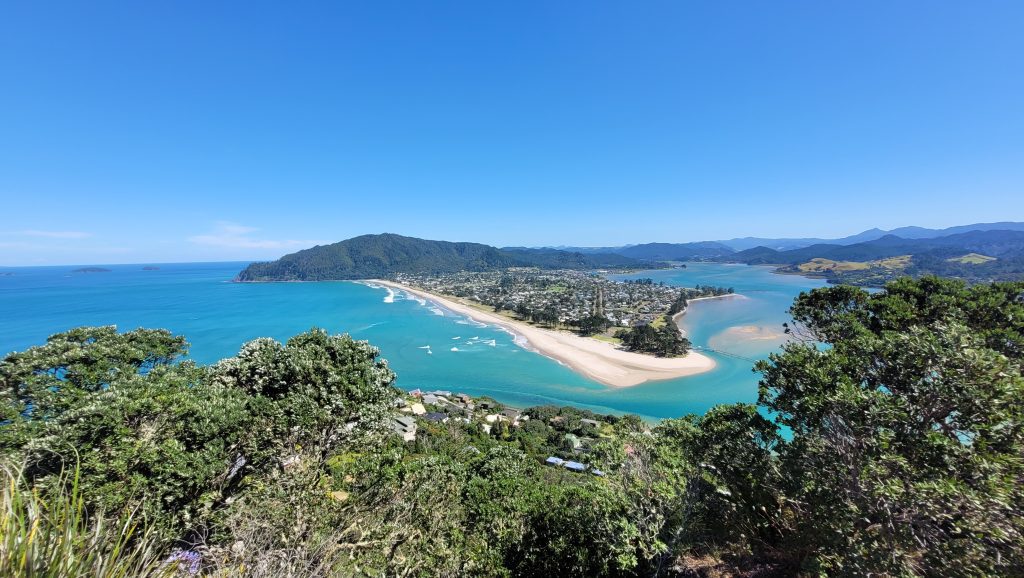
And then the bush opens up and you get the whole thing at once: the estuary, the beach curving away, Tairua on the other side of the water, Paku hill, the islands scattered out in front. I sat down on a rock up there and just stayed for a while.
Go early. It is east facing, it gets hot, and there is no water on the track. No dogs allowed either.
Karangahake Gorge, the stop on your way in or out
Technically this one is not on the peninsula. Karangahake Gorge sits down on State Highway 2 between Paeroa and Waihi, which makes it the gateway you drive through on your way in or out of the Coromandel. Skipping it would be a waste. I stopped almost by accident and stayed about three times longer than planned.
The whole gorge is an old gold mining site and nobody has tidied it up. You walk past the concrete ruins of the Talisman and Woodstock batteries, big crumbling terraces sitting in the bush where the Ohinemuri and Waitawheta rivers meet, with green water running underneath. It feels abandoned in the best way, and it photographs beautifully in flat light, which is rare.
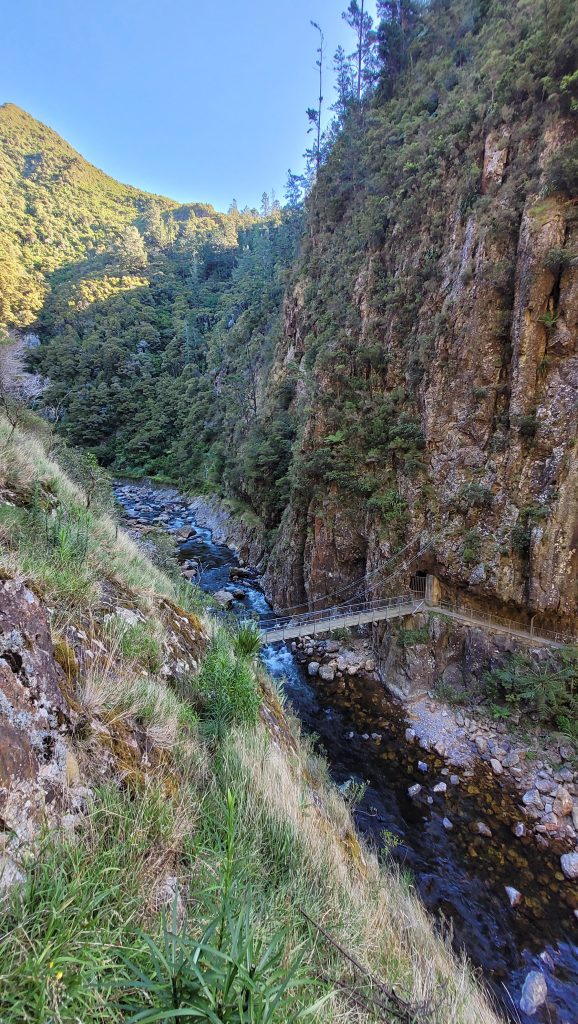
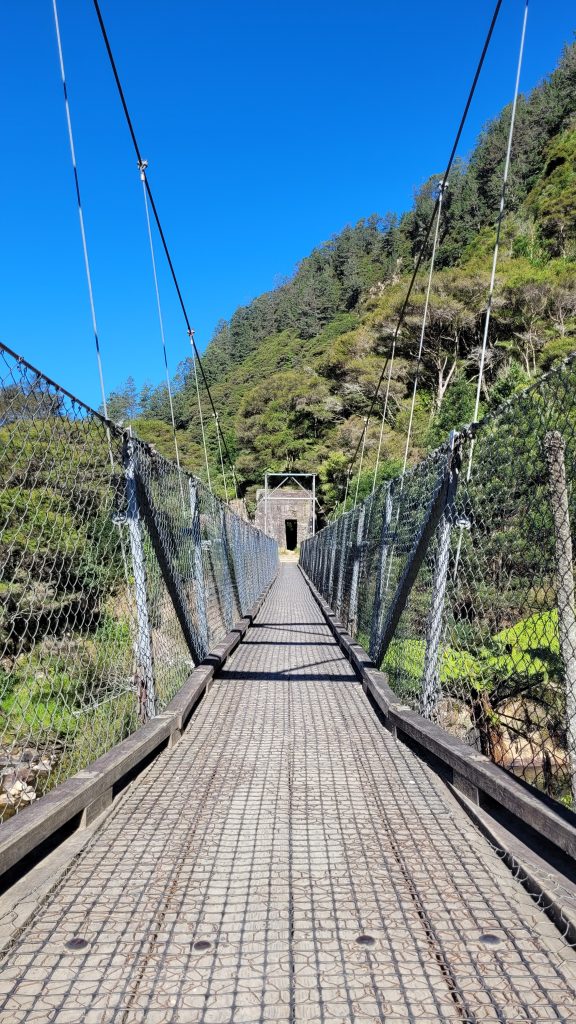
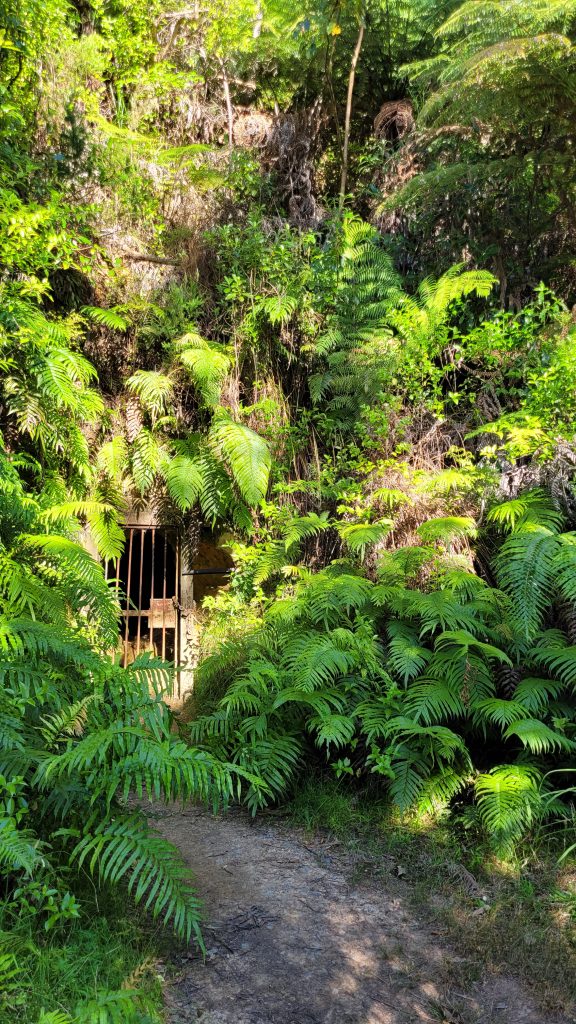
There are two walks and you can do both in one go. The Rail Tunnel Loop follows the old railway line, flat and easy, roughly 2.5 to 3 km depending on which version you take, and it goes straight through a tunnel that is over a kilometre long. It is lit, but dimly, and the temperature drops the moment you step inside. Then the Windows Walk climbs up into the mining tunnels cut into the cliff, with four openings punched through the rock that look straight down into the gorge. Bring a torch for this one, it is not optional. Parts of it are properly dark and the floor is uneven.
Count 2 to 3 hours if you combine the two, which is what I would do. Parking is free at the Karangahake Reserve car park just off the highway, and it fills up on weekends so go early. One thing to know before you drive down: the lower section of the Crown Track closes whenever heavy rain is forecast, so have a quick look at the DOC alerts first.
Where to stay in the Coromandel on a budget
I did two very different nights and I loved both.
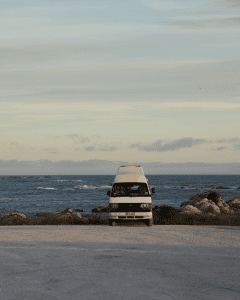
The first was a hostel bed for about 20 euros, in a tiny village where nobody wears shoes. And I mean nobody, the whole place operates barefoot. I have never felt so far from everything in such a good way. I sat in the garden in the evening with a cup of tea and it was so quiet I could hear the birds moving around in the trees. If you are travelling solo and you have been in cities for a while, that kind of night resets something.
The second was a room in a local woman’s house, and she was far too lovely for her own good. Breakfast is included, and we ended up talking for hours.
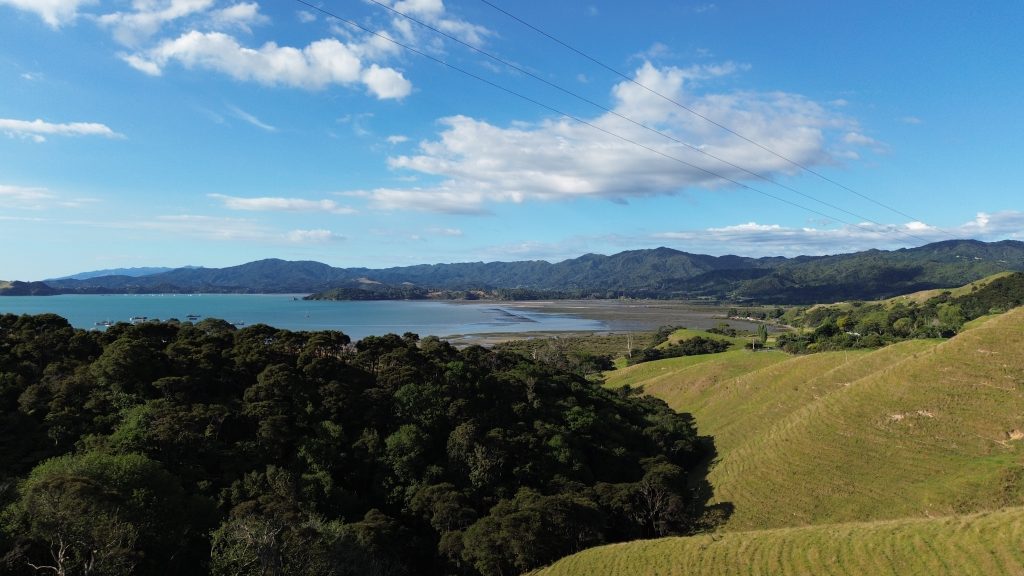
Both are simple, cheap and run by people who actually live there. Book ahead in summer, the Coromandel fills up fast between Christmas and February and the budget beds go first.
What I would do differently
Give it four days minimum. That is the whole lesson.
With two extra days I would have added Hot Water Beach, the Pinnacles, New Chums Beach, and at least one full slow day of doing nothing on a beach with a book. I also would have driven the 309 twice, once in each direction, because the light is completely different and I only realised that on the way back out.
I would also have downloaded offline maps before starting. There is no signal on large chunks of the peninsula, including all of the 309, and I spent a while guessing at junctions.
Practical bits before you drive up
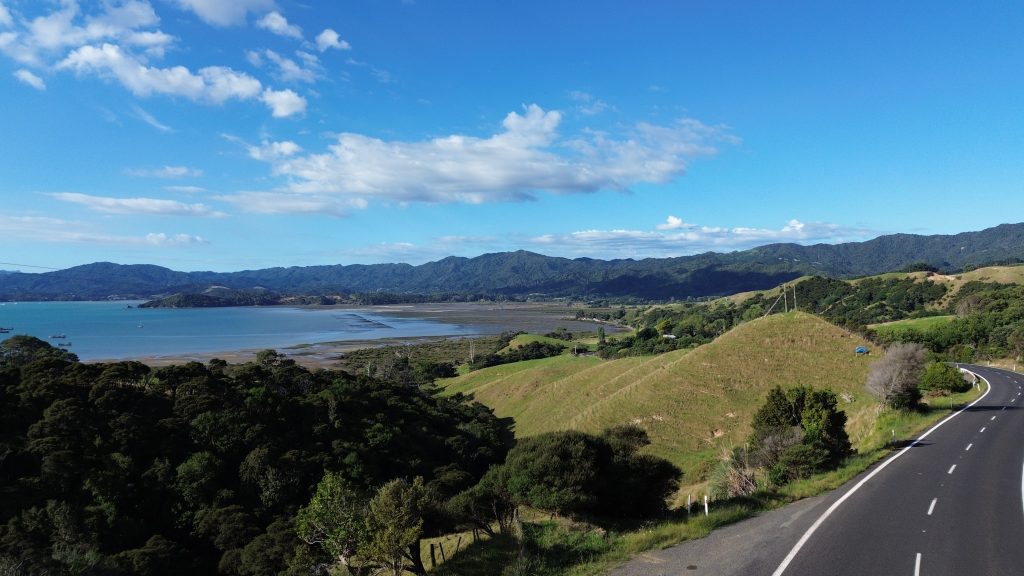
Getting there. The Coromandel is about a 2 hour drive from Auckland to Thames, and then another hour or so depending on where on the peninsula you are heading. You need a car. Public transport up there is not a real option for this kind of trip.
When to go. I went in summer, which means warm water and long days, and also full car parks and booked out accommodation. Shoulder season, so late spring or early autumn, gets you the same landscape with a fraction of the people.
Signal and data. Patchy to non existent once you leave the main towns. Download your maps offline and tell someone your plan if you are hiking alone.
Kauri dieback. Clean your shoes at every station, stay on the boardwalks. It takes ten seconds and these trees are irreplaceable.
Weather. Check DOC alerts the morning of any coastal walk, especially Cathedral Cove. Tracks close at short notice up here and it is not for fun.
So, is the Coromandel worth rearranging your trip for?
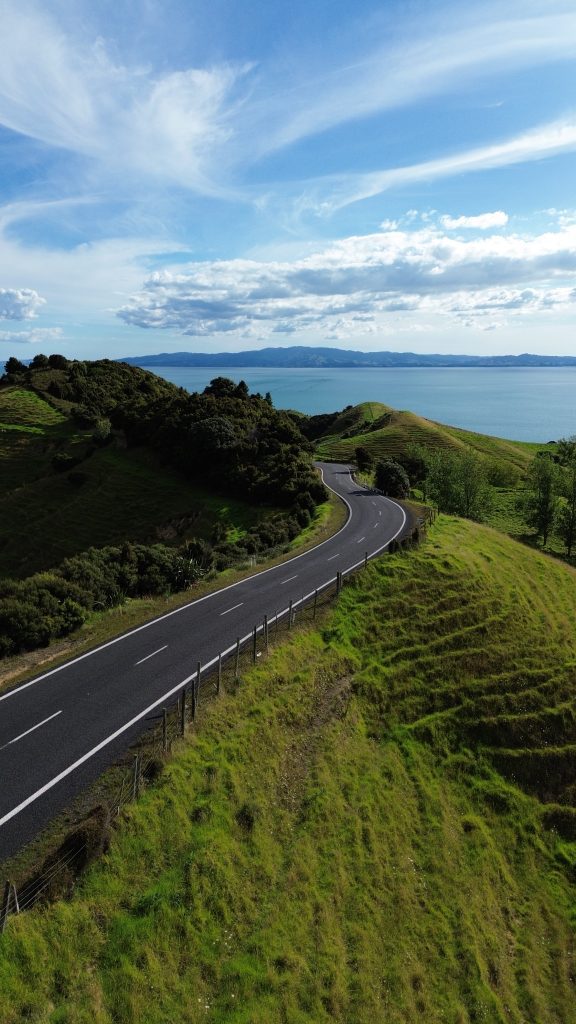
Yes. Completely. It is the place I think about when someone asks me what surprised me most about New Zealand, and I had barely scratched it.
If you are landing in Auckland and trying to decide where your first few days go, put the Coromandel on the list, and give it more time than I did. Learn from my mistake, and from the possum.