Oahu on a Budget: 11 Days for $600 Each
We landed in Honolulu on December 31st, on an interisland flight from Big Island, with one tent, all the camping gear and 2 huge bags. We left 11 days later having spent 600 dollars each, and having slept in a rental car three separate nights. One of those nights, the police woke us up. I’ll get to that.
I want to be upfront about something first. Oahu is not Kauai. Kauai is the island where camping is easy, where the campgrounds are beautiful and where you feel like nobody has found the place yet. Oahu is the island where 70 percent of the state’s population lives, where a hotel room in Waikiki on New Year’s Eve costs more than my monthly rent, and where the camping system seems specifically designed to make your life difficult.
But we still did 11 days there for about 55 dollars a day each, all in. Here’s exactly how, including all the parts that went wrong.
What 11 days on Oahu actually cost us
Two people, 11 days, 10 nights, one rental car. Everything below is in US dollars.
| Category | Total | Per person | What that covers |
|---|---|---|---|
| Accommodation | $140 | $70 | Two campgrounds plus three nights in the car |
| Rental car | $444 | $222 | 11 days, SUV, booked and rebooked (see below) |
| Gas | $68 | $34 | Circling the island several times |
| Food | $411.50 | $205.75 | Foodtruck but almost all of it cooked ourselves |
| Drinks | $117 | $58.50 | Beer, mostly. I’m not going to pretend otherwise |
| Activities | $21.50 | $10.75 | Diamond Head and one load of laundry |
| Total | $1,202 | $601 | About $55 per person per day |
A few things to flag so nobody thinks I’m hiding numbers.
That total does not include the interisland flight to get to Oahu, because we treated that as part of our wider Hawaii budget rather than the Oahu budget. It also doesn’t include our camping gear, which we already had, or travel insurance.
The activities line looks almost fake, and it kind of is. We paid for exactly one thing on this island, Diamond Head, and one load of laundry because we were starting to smell like a campground. Everything else we did, every beach, every hike, every sunset, was free. That’s the whole point of Oahu on a budget. The island’s best stuff doesn’t have a ticket booth.
The food line is where a budget like this lives or dies. We had a cooler and a Costco membership, and we cooked almost every meal. We ate out maybe 6 times in 11 days in foodtrucks. If you eat two meals a day in restaurants on Oahu, you can add 60 to 80 dollars per person per day, and this whole budget falls apart. Without counting the tips, add 20% on this my friend.
Getting to Oahu on an interisland flight
We flew into Honolulu from Big Island on December 31st, on a low cost interisland flight. Hawaiian Airlines and Southwest are the two main options between the islands, plus Mokulele for the smaller routes, and honestly their prices land within a few dollars of each other most of the time.
If you book a week or two out, plan on around 150 dollars one way. Book further ahead, especially outside of the December to January and June to August peaks, and you can find fares well under 100. We caught ours cheap because we booked early, which for once we actually did.
Now the important bit, and it’s the reason this whole trip was possible.
We moved our camping gear from island to island in checked bags, and at the time, Southwest gave every passenger two free checked bags plus a free carry on. Two people, four checked bags, no extra cost. That’s what let us carry a tent, sleeping mat, and a cooler around Hawaii, and that’s what turned “we can afford one week in Hawaii” into “we can afford four weeks in Hawaii.”
That policy is gone. Southwest ended free checked bags for most passengers in 2025, and interisland bag fees went up again in April 2026. As of now, on both Southwest and Hawaiian, interisland flights cost around 30 dollars for the first checked bag and 40 for the second, per person, per flight. Only Hawaii residents with a Hawaii address on their Rapid Rewards account still get two free bags on Southwest interisland routes.
So do the math before you commit to the camping-across-islands plan. For two people with two bags each, four island hops, you’re now looking at roughly 560 dollars in bag fees that we simply didn’t pay. It might still be worth it compared to hotels, but it’s no longer free, and I’d hate for anyone to read my old numbers and get a nasty surprise at the check-in counter.
Please double check the current fees on the airline’s own site before booking, because these have changed twice in under two years and will probably change again.

When to visit Oahu: weather, surf and turtles month by month
Oahu is warm all year, which is the easy answer. The real question is what you actually want to do, because the island has two very different personalities depending on the season.
Winter, roughly November through March, is when the North Shore gets its famous swell. That’s when Pipeline turns into the wave you’ve seen in every surf film, when the Vans Triple Crown happens, and when you can stand on the sand at Ehukai and watch people do things that make no sense to your brain. It’s also when the windward side gets wetter and windier, when the water is at its coolest, and when a lot of North Shore beaches are simply not swimmable.
Summer, roughly May through September, flips it. The North Shore goes flat and turns into a swimming pool, the water hits its warmest, and the turtles come ashore to bask far more often. If you want to swim and snorkel, this is your window.
We went at the very end of December and beginning of January, which is the worst of both worlds on paper. It rained on us, the windward side was blowing hard, and half the North Shore beaches were closed to swimming. It was still one of my favourite weeks of the year. Take from that what you will.
| Month | Weather | Avg high | Avg low | Sea temp | Good for |
|---|---|---|---|---|---|
| January | ☔ | 27°C / 80°F | 18°C / 65°F | 24°C / 76°F | Big surf, whales, low crowds after the 5th |
| February | ☔ | 27°C / 80°F | 18°C / 65°F | 24°C / 75°F | Whales, big surf, coolest water |
| March | ⛅ | 27°C / 81°F | 19°C / 66°F | 24°C / 76°F | Last of the winter swell, wettest month |
| April | ⛅ | 28°C / 82°F | 20°C / 68°F | 25°C / 76°F | Shoulder season, prices drop |
| May | ☀️ | 29°C / 84°F | 21°C / 69°F | 25°C / 78°F | Calm North Shore, turtles start basking |
| June | ☀️ | 30°C / 86°F | 22°C / 72°F | 26°C / 79°F | Swimming, snorkelling, dry |
| July | ☀️ | 31°C / 87°F | 23°C / 73°F | 26°C / 80°F | Driest month, best swimming |
| August | ☀️ | 31°C / 88°F | 23°C / 74°F | 27°C / 81°F | Hottest, turtle nesting season starts |
| September | ☀️ | 31°C / 88°F | 23°C / 73°F | 27°C / 81°F | Warmest water, fewer people |
| October | ⛅ | 30°C / 86°F | 22°C / 72°F | 27°C / 80°F | Rain returns, first swells arrive |
| November | ⛅ | 29°C / 84°F | 21°C / 70°F | 26°C / 79°F | Triple Crown, surf season opens |
| December | ☔ | 27°C / 81°F | 19°C / 67°F | 25°C / 77°F | Peak surf, peak prices, peak everything |
These are Honolulu averages, and Honolulu sits on the dry, leeward side of the island. The windward coast where we camped and the Koolau mountains behind it get a lot more rain than this table suggests. Some days it rained on our tent in Waimanalo while Waikiki, 40 minutes away, was in full sun.
On turtles. Green sea turtles, honu, come ashore on Oahu all year, but you’ll see them basking far more often between May and September. Nesting mostly happens between April and September on Hawaii beaches, with the peak from August to November. I saw a turtle haul herself out of the water and come up the beach at Laniakea to nest, and it was magic !
Stay back, give her a lot of room, and do not touch or crowd her. They’re protected, and the fines are not small.
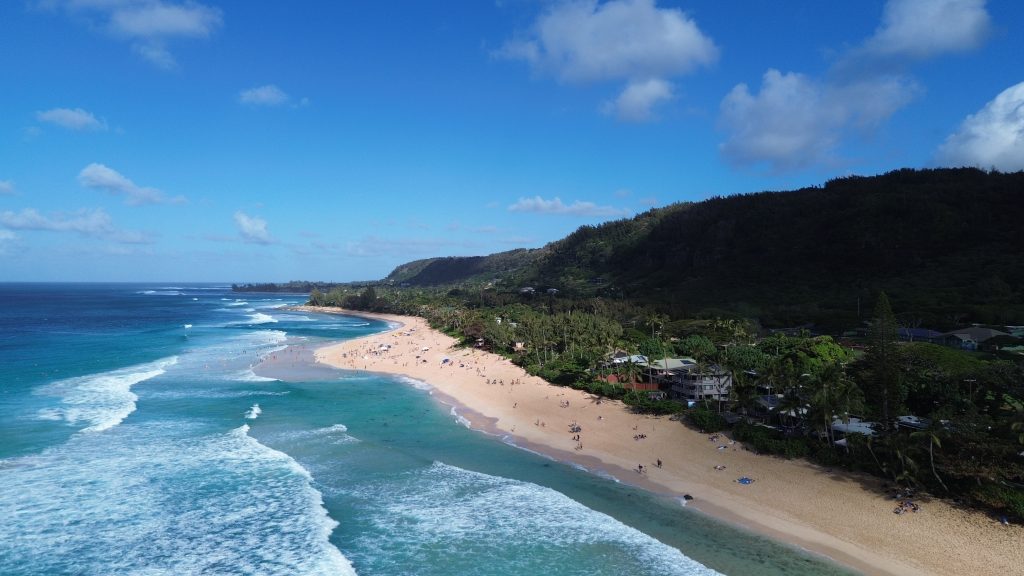
On surf. If watching Pipeline is on your list, that’s November through February. If surfing yourself as a beginner is on your list, that’s Waikiki all year.
Where to sleep on Oahu on a budget
Right. This is the section I wish I’d read before going.
On Kauai, camping is simple and beautiful and the campgrounds close on rotating dates for maintenance so there’s almost always something open. On Oahu, the City and County of Honolulu runs 17 campgrounds, and the system works like this:
Camping permits only start on a Friday. You can book either a 3-day permit that runs Friday to Monday 8am, or a 5-day permit that runs Friday to Wednesday 8am. That’s it. You cannot book one night. You cannot book Tuesday to Thursday. You cannot split it across two campgrounds. Every single county campground on the island is closed from Wednesday morning until Friday afternoon.
Read that again, because it means that no matter how well you plan, there are two nights every week where legal county camping on Oahu does not exist.
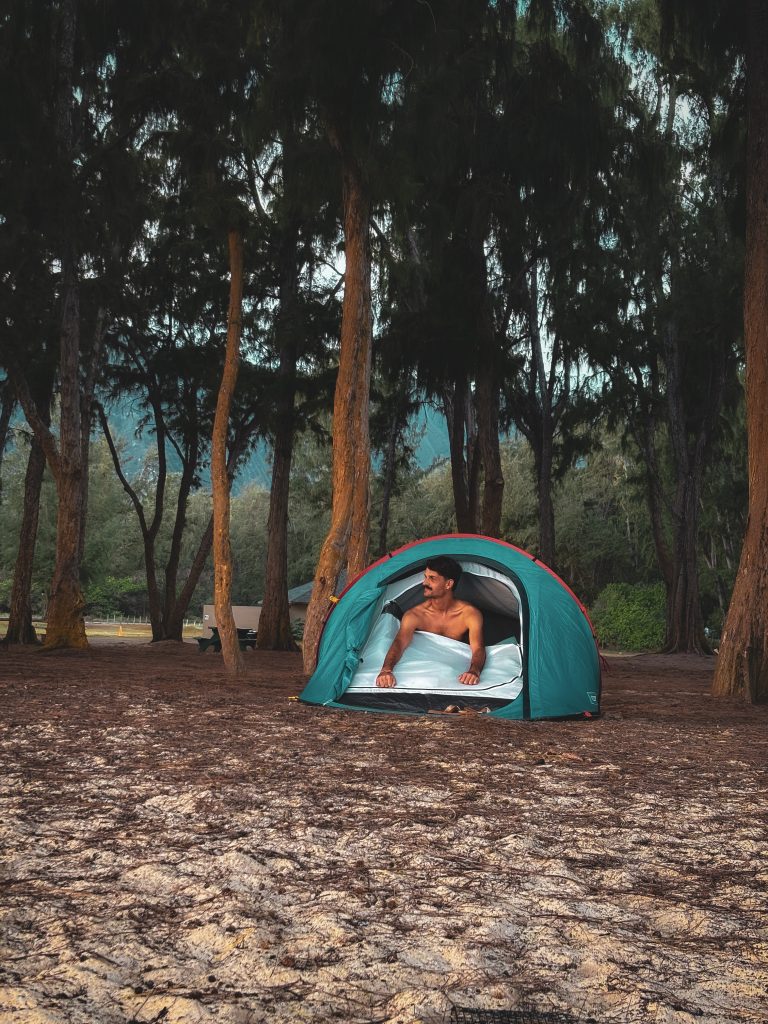
A 3-day permit costs $32.75 and a 5-day permit costs $53.22, all fees included. Each permit covers up to 10 people, 2 tents and 3 vehicles, so the cost per person gets silly cheap if you’re a group. Reservations open at 5pm HST two Fridays before your camping period, online at the City and County of Honolulu camping site. Set an alarm. The good ones go in minutes.
Waimanalo Beach Park, where we actually stayed
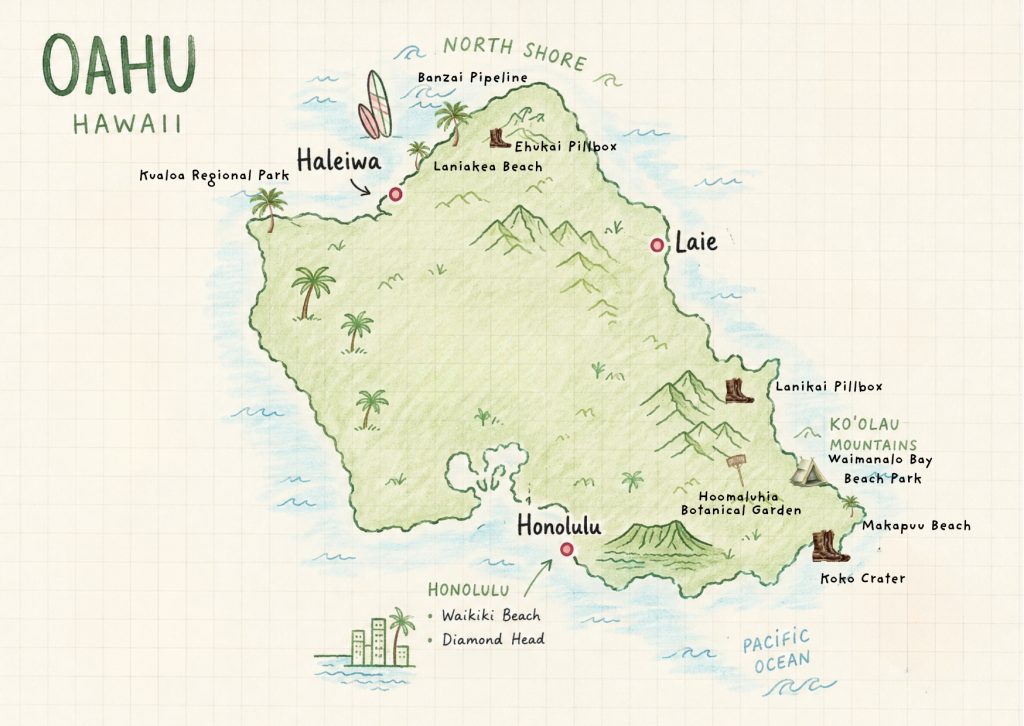
We wanted Hoomaluhia Botanical Garden, the campground tucked under the green wall of the Koolau mountains. It was long gone by the time we looked, and after visiting the garden later in the trip I completely understand why. The gap in views between where we ended up and where we wanted to be is embarrassing.
So we took Waimanalo Beach Park on the windward side, a 5-day permit for about 10 dollars a night for two people. The campground sits under ironwood trees a short walk from a long white beach, with restrooms, cold outdoor showers, picnic tables and free parking. It’s basic. There are no hookups, no kitchen, no wifi.
And it was lovely. We had that beach essentially to ourselves.
I say “essentially” because we were the only people who had paid for a permit. There were around twenty homeless people living in and around the park, using the campground bathrooms to wash and to do their dishes. Showering at night next to six women doing their washing up in the sinks is an experience I did not expect to have in Hawaii. Nothing happened to us, nobody bothered us, everyone was fine. I’m mentioning it because I’d rather you know than be surprised, and because for 10 dollars a night it’s still absolutely worth it.
North Shore Cabin Camping, the private option
We also spent two nights at a private site called North Shore Cabin Camping, which I found through Hipcamp. It cost 88 dollars for two nights. It was genuinely nice, and I still think it’s mad to pay 44 dollars to put a tent on someone’s grass.
Hipcamp is worth a look though, because it’s the main way to find private land on Oahu when the county campgrounds are closed or full. It’s the closest thing the island has to a
workaround.
The three nights we slept in the car
So. 11 days, 10 nights, and I’ve accounted for 7 of them. Here’s where the other three went, and this is the funny part.
Nights one and two, Honolulu. We arrived on December 31st and wanted to spend New Year’s Eve on Waikiki Beach. Every place we could find in Honolulu was over 70 euros a night, and everything cheaper was at least 30 minutes’ drive away. On New Year’s Eve, driving home was the one thing we absolutely did not want to do. So we parked in a quiet residential street about a 10 minute walk from Waikiki, folded the front seats of the SUV down, and slept there.
It is not comfortable. You need to get up early so nobody clocks what you’re doing. But it worked, and we did the same thing on our last night because our flight out was at dawn and the location was perfect.
Night three, Mokuleia, and the police. This one was less funny at the time. We had no campground available at all. The only thing we could find was a private spot asking 70 dollars a night to park a car on a field with no water and no toilets, which felt like a joke, so we didn’t think about it for long. We parked near a laundromat in Mokuleia and went to sleep.
At some point in the night, a police car pulled up next to us with the light on. I was completely certain we’d been caught. There were three cars parked there for the night, so my working theory now is that it’s fairly tolerated in that spot. They hadn’t come for us at all. They’d been called about gunshots and a woman screaming, and they wanted to know if we’d heard anything.
Which, you know. Reassuring.
So my honest advice is to book real accommodation and not do what we did. But you should also know that sleeping in your car on Oahu is possible, that plenty of people do it, and that in a pinch it’s not the end of the world. Just be aware that sleeping in a vehicle is not allowed at county beach parks, and that in some places it’s actively enforced.
Getting around Oahu: the rental car trick that saved us hundreds
You need a car. Oahu has the best public transport in Hawaii by a wide margin, TheBus genuinely goes almost everywhere, but if you’re camping with gear and chasing sunrises on the other side of the island, you need your own wheels.
For the rental, I used discounthawaiicarrental.com, the same as on Kauai. The reason it’s so good is that you don’t prepay and cancellation is free right up until the last minute. So what I did was check prices every week, and every time they dropped, I’d book the new lower rate and cancel the old one. That’s how we ended up paying 444 dollars for 11 days, way less than what we expected going in.
It takes five minutes a week and it saved us a few hundred dollars. Do it.
A few practical notes. Gas cost us 68 dollars across 11 days of driving all over the island, so budget around 6 to 8 dollars a day. Parking is where Oahu gets you, not fuel. Honolulu and Waikiki parking is expensive and awful, most North Shore and windward beaches are free, and the residential neighbourhoods near the popular trailheads are getting stricter every year.
Also, and this comes up constantly, don’t leave anything visible in the car. Not at Kaena Point, not at any trailhead, not anywhere. Break-ins at trailhead parking are a known problem on this island.
The different sides of Oahu and what’s on each one
Oahu is small, about 40 minutes to an hour between most places, but the four sides feel like different islands.
North Shore. Haleiwa town, Laniakea and its turtles, Waimea Bay, Sunset Beach, Pipeline, Ehukai. This is the side people picture when they picture Oahu without hotels. Big waves and surf culture in winter, calm swimming water in summer. If I went back, I’d base myself here for most of the trip.
Windward, the east coast. Kailua, Lanikai, Waimanalo, Kaneohe, Kualoa. Green mountains dropping straight into turquoise water, the most photogenic side of the island by a distance. This is where Hoomaluhia is, where we camped, and where most of the good ridge hikes start. It’s also the wettest and windiest side, so pack a rain jacket and stop being surprised.
Southeast. Hanauma Bay, Koko Crater, Makapuu, Sandy Beach. Dry, dramatic, volcanic. Lots of lookouts, the two most punishing short hikes on the island, and some of the most dangerous shorebreak in Hawaii.
South, Honolulu and Waikiki. The city. High rises, traffic, the airport, Diamond Head, and the beginner surf scene. More on my feelings about this below.
Leeward, the west coast. Ko Olina, Waianae, Makaha, and the road out to Kaena Point. The driest and least visited side. Locals will tell you, correctly, that this side gets a lot of tourists who don’t read the room. Go, be respectful, don’t park where you shouldn’t.
The best beaches on Oahu, and where to park at each one
Laniakea Beach, for turtles
North Shore, between Haleiwa and Waimea Bay. This is the famous turtle beach, and yet somehow when we went there was nobody there. A turtle came out of the water right in front of me and made her way up the sand.
There’s now a proper unpaved parking lot on the mauka side of Kamehameha Highway that fits around 50 cars, which is a huge improvement on the roadside chaos it used to be. If it’s full, people park on the residential streets around Papailoa Road, but pay very close attention to the No Parking signs on the beach side of the highway, because they’re enforced. And crossing that highway on foot is genuinely dangerous, so use the crossing.
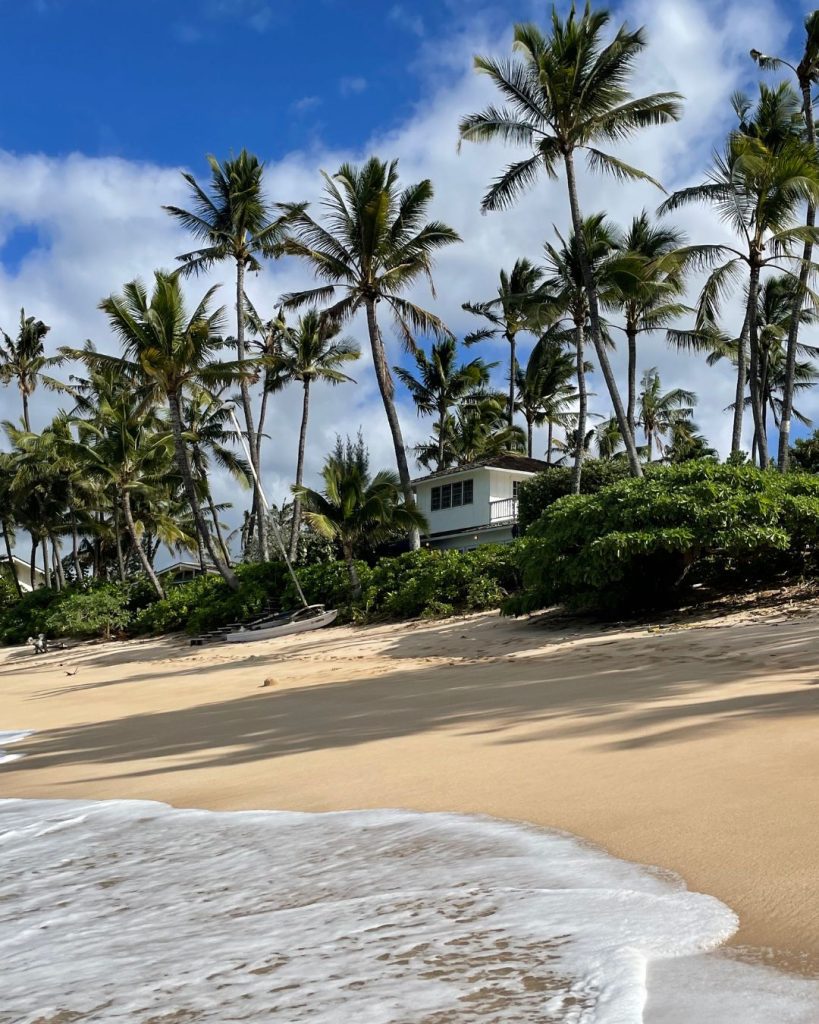
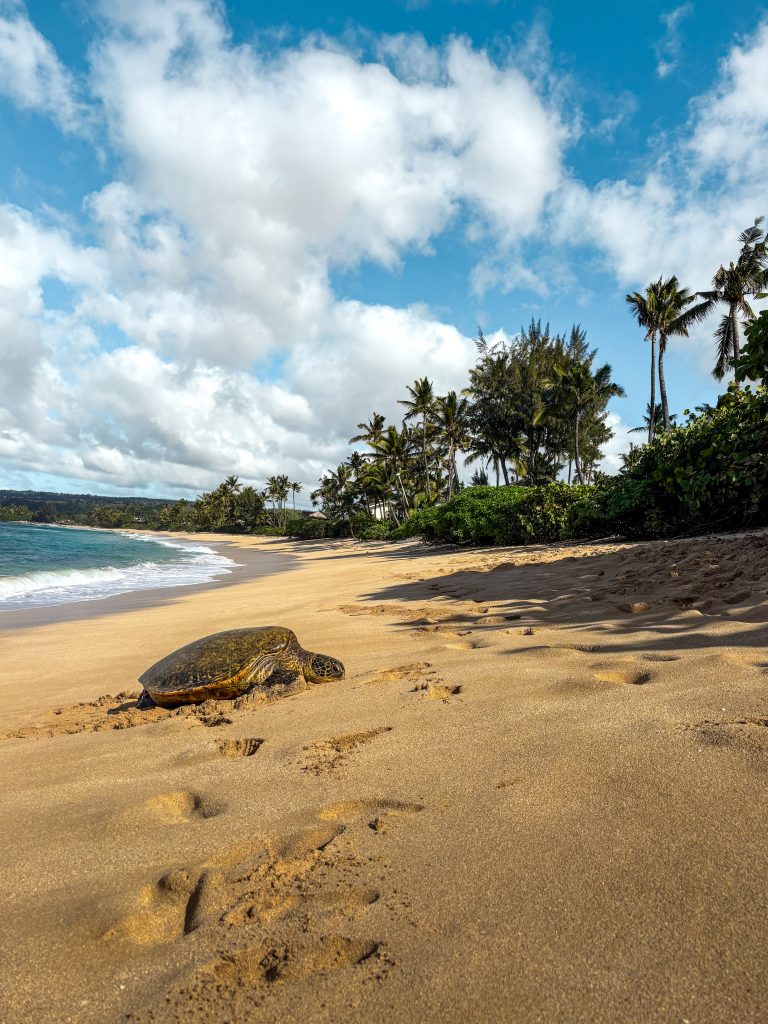
Give the turtles space. Ten feet minimum, more if there’s a volunteer there telling you so.
Papailoa Beach, for swimming
Just along from Laniakea, reached from Papailoa Road. Long, quiet, mostly empty, and much better for actually getting in the water than Laniakea. In winter the North Shore surf can make this unswimmable, so check conditions. Parking is residential, so park properly and don’t block driveways.
Waimanalo Bay Beach Park, for having a beach to yourself
Windward side, and this is where we swam most. Long white sand, ironwood trees, calm water compared to the North Shore, and hardly anybody there. Free parking, restrooms, showers.
Quick warning that confused us for two days: there are three separate parks in a row here with almost the same name. Waimanalo Beach Park (where we camped), Waimanalo Bay Beach Park, also called Sherwood Forest, and Bellows Field Beach Park. They’re neighbours. Check which one your map is actually sending you to.
Man o’ war jellyfish drift into windward beaches when the wind picks up, so have a look at the water and the warning signs before you jump in.
Lanikai Beach
The postcard one, with the Mokulua islands offshore. It’s beautiful and it’s tiny and everyone knows about it.
This one has changed and you need to know before you go. As of July 2026, parking along Mokulua Drive in the Lanikai loop is permanently banned, all day, every day, with the same ban on Aalapapa Drive and time restrictions from 10am to 4pm on the connecting side streets. There are a few three minute loading zones and that’s about it. The workaround is to park at the free Kailua Beach Park or boat ramp lot and walk about 15 minutes, or take TheBus route 671 which loops through Lanikai.
If you turn up expecting to park at the beach, you will get a ticket. Plan the walk in.
Makapuu Beach
Southeast corner, below the lighthouse trail, with Rabbit Island sitting offshore. Gorgeous, and there’s a free parking lot. The shorebreak here is heavy and this is a bodyboarding beach, not a casual swimming beach. Watch it for ten minutes before you decide.
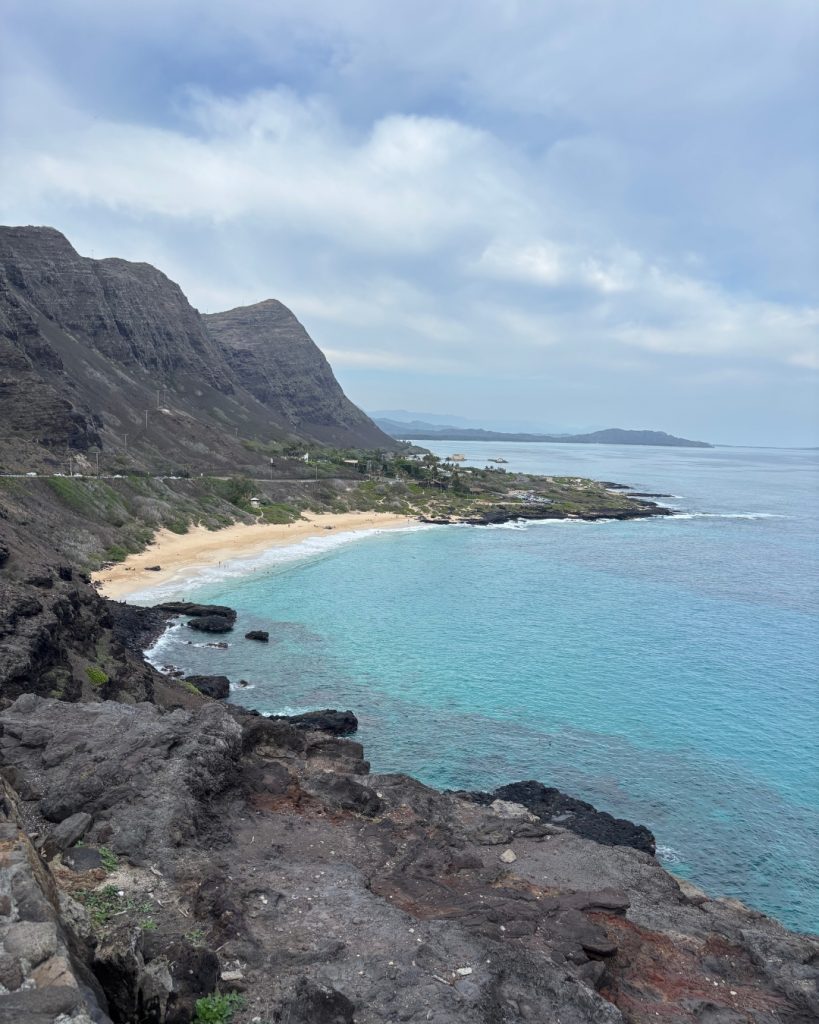
Kualoa Regional Park, for the view
Windward side, looking out at Mokolii, the little cone island everyone calls Chinaman’s Hat. Free parking, open 7am to 8pm, and the Koolau mountains rise straight up behind you. The snorkelling straight off the beach is honestly mediocre, shallow and sandy, but people kayak out to the island and snorkel the reef around it, which is a different story. It’s a 20 to 30 minute paddle each way.
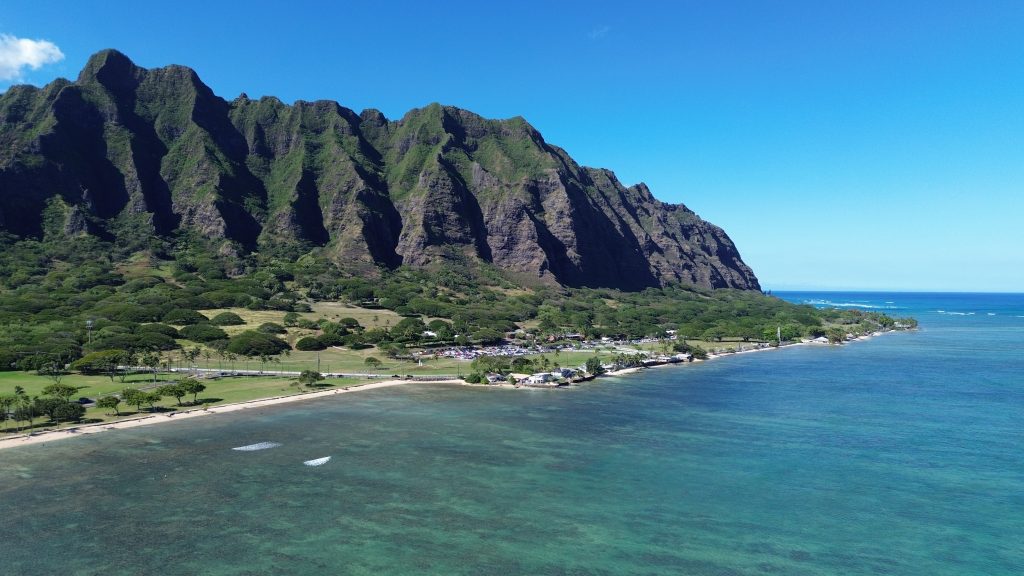
Even if you don’t get in the water, park at the far end near the lifeguard tower and just look at it for a while. Best free view on the windward coast.
Banzai Pipeline (Ehukai Beach Park), for watching surfers
North Shore. In winter this is where the waves you’ve seen in videos actually happen, breaking on shallow reef very close to shore, which makes it one of the best spectator waves in the world. You sit on the sand and the whole thing goes off 50 metres in front of you.
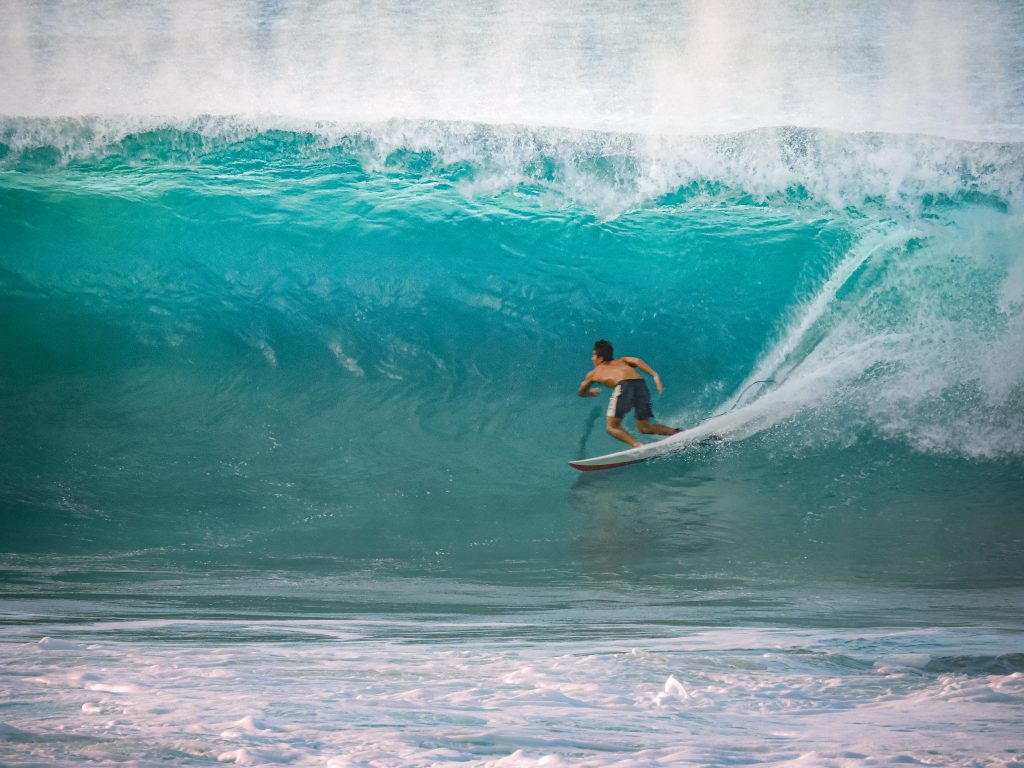
Do not swim here in winter. In summer it’s flat and it’s a normal beach. Park at Ehukai Beach Park or Sunset Beach Elementary and expect it to be full on a big swell day.
Waikiki Beach, for learning to surf
If you want to try surfing for the first time, Waikiki has soft, slow, forgiving waves, board rental everywhere and lifeguards. It’s also packed with hundreds of other people having the exact same idea, and you will get in each other’s way.
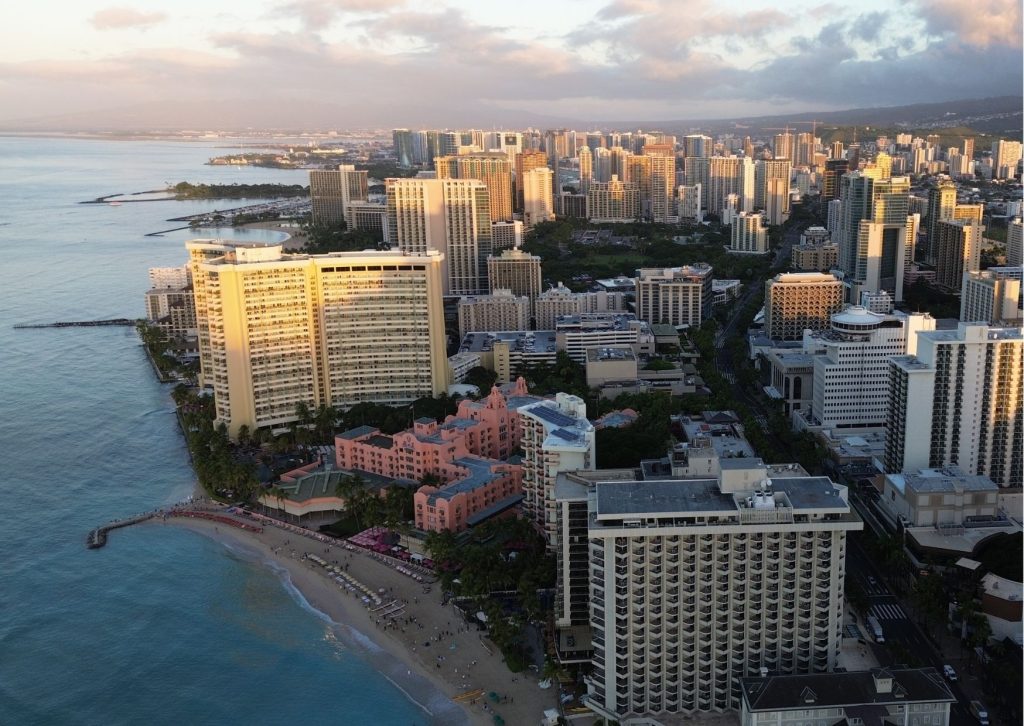
I’m not the target audience for Waikiki, but I’ll say this honestly: it’s the best beginner surf setup in Hawaii, and if that’s what you’re there for, the crowd is a price worth paying.
The best hikes on Oahu, with distances, times and parking
Ranked roughly by how much I’d tell you to do them.
Hoomaluhia Botanical Garden, the one that surprised me
Free. Open 9am to 4pm, closed Thursdays. Free parking. Flat, walk as much or as little as you like.
We spent an entire day here just wandering, with a wall of green Koolau mountains standing over us the whole time, and it did not feel like the same island as Honolulu at all. It’s a botanical garden, so it’s not really a hike, it’s hours of easy paths and a lake and complete calm.
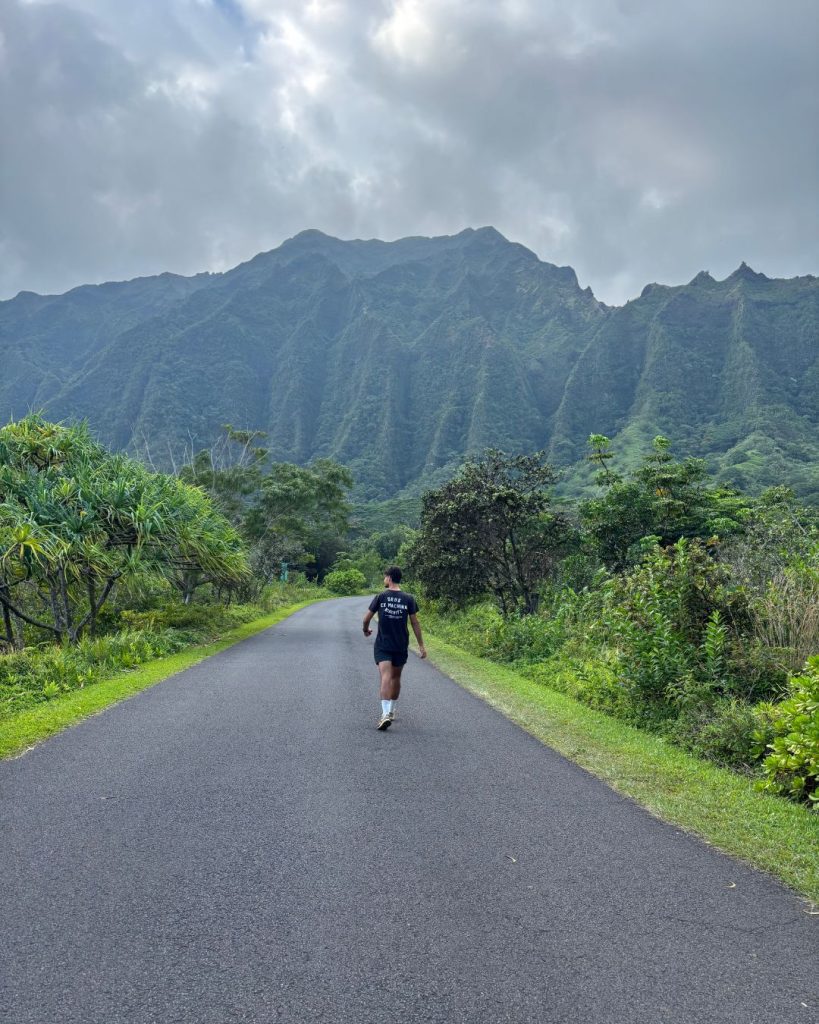
One rule people ignore and get fined for: you cannot stop your car on the entrance road to take the famous photo. Park in the lot and walk back. It’s enforced.
If you can get a camping permit here, take it. It’s the best campground on the island.
Kahekili Ridge, the hardest hike of my life
Around 3 miles out and back, roughly 1,780 ft of climbing, ropes required, free.
This is the hardest thing I’ve ever done on foot and also one of the best. There are rope sections, there’s proper scrambling, and there are stretches of ridge with a drop on both sides.
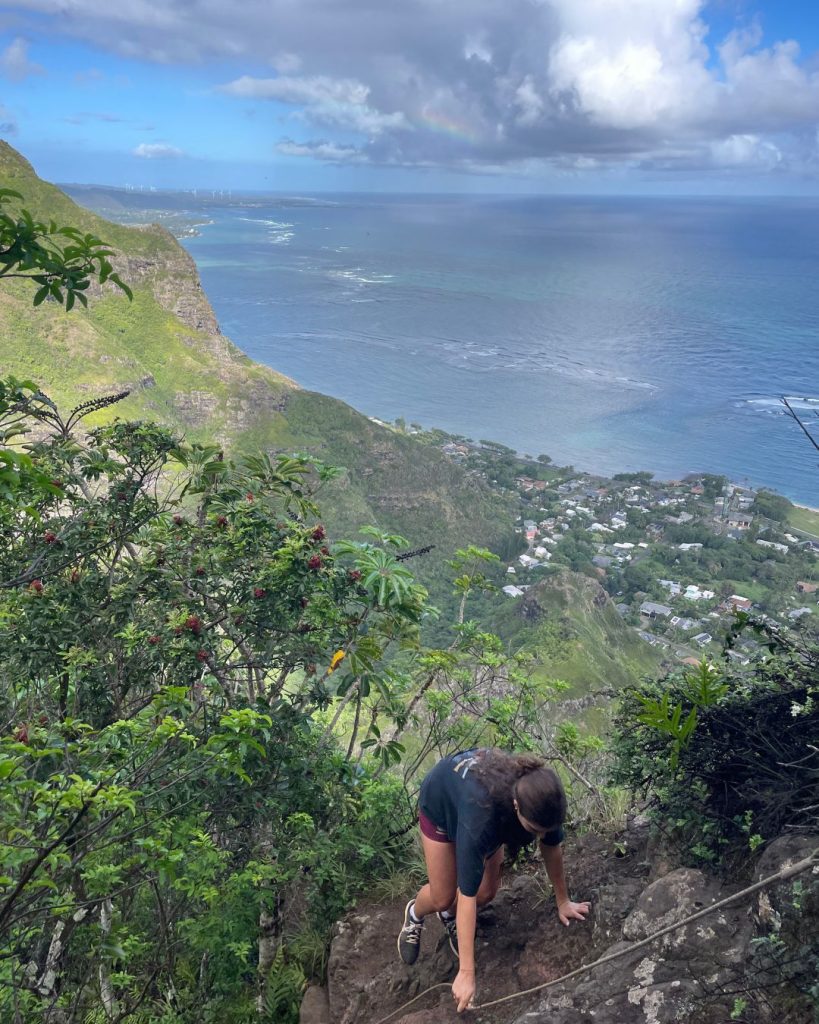
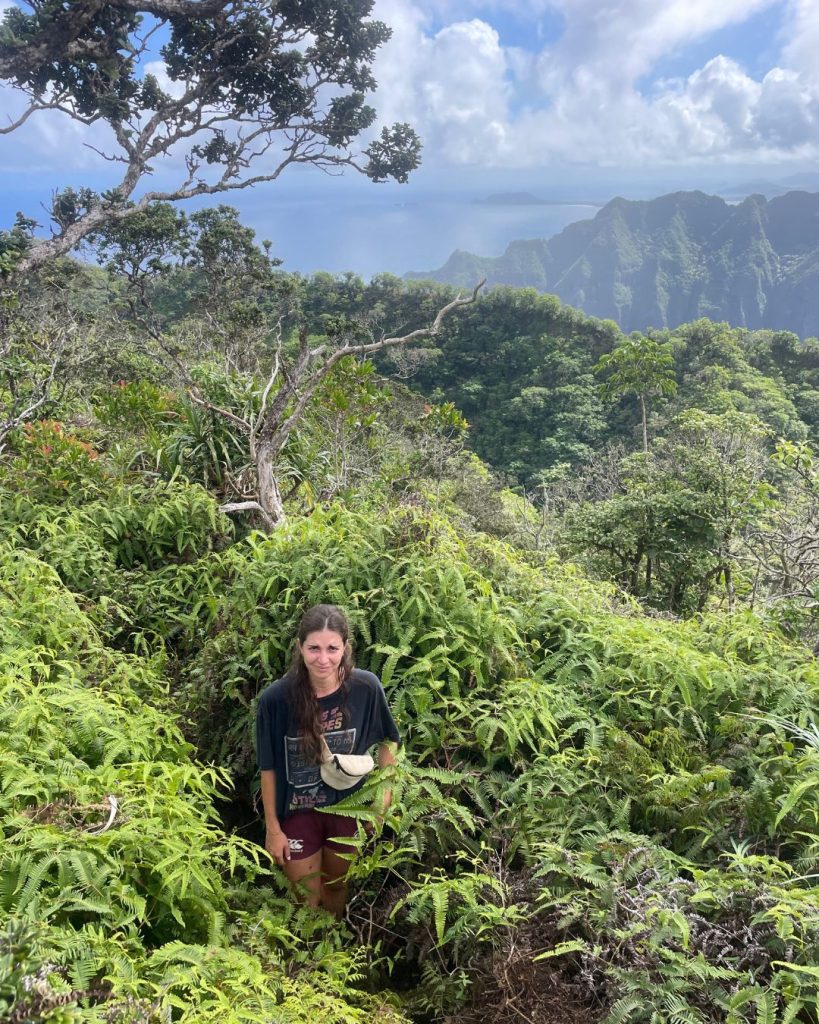
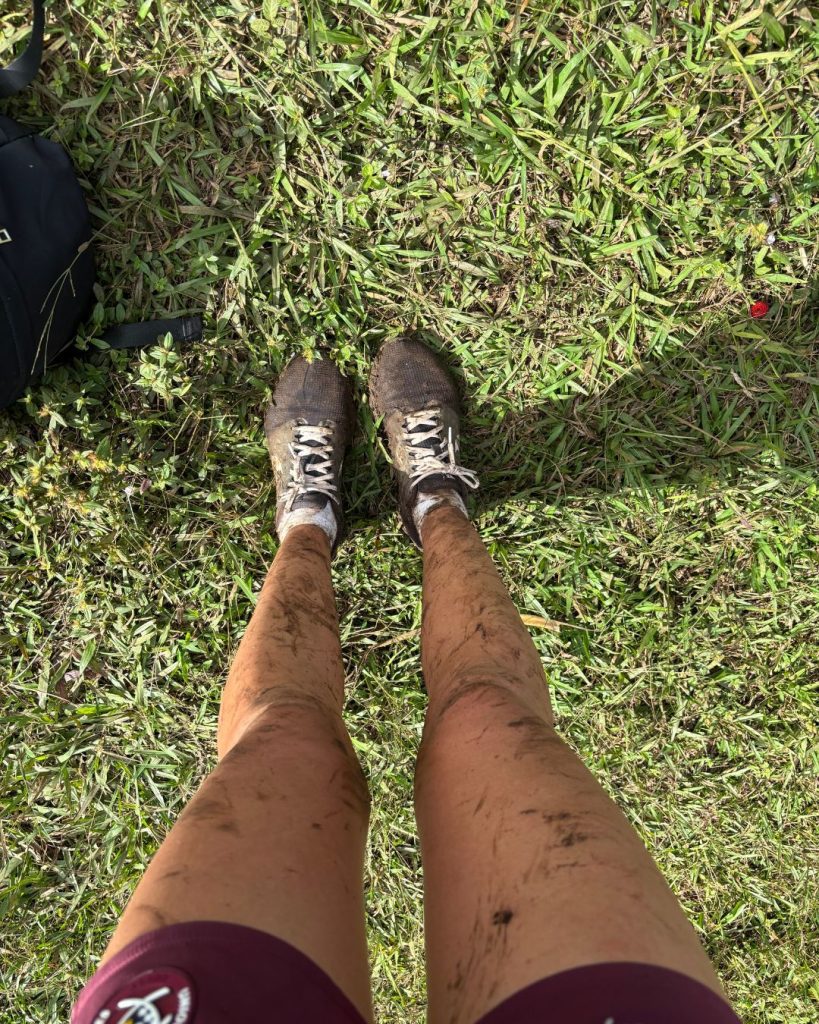
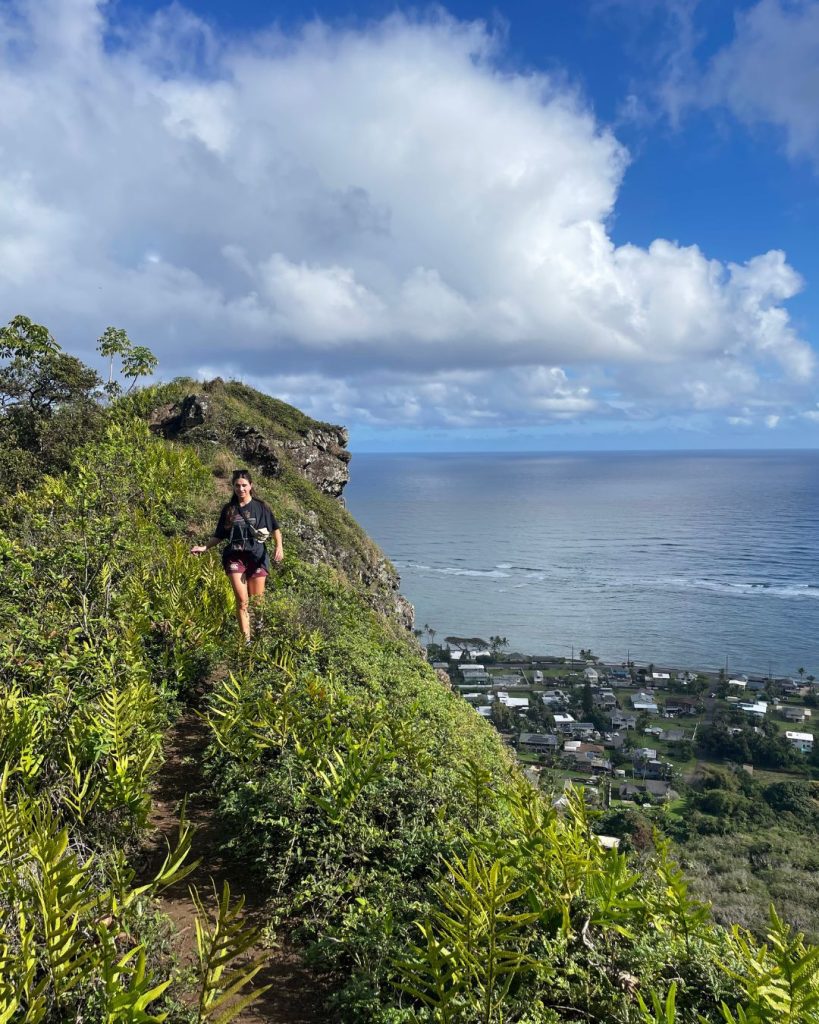
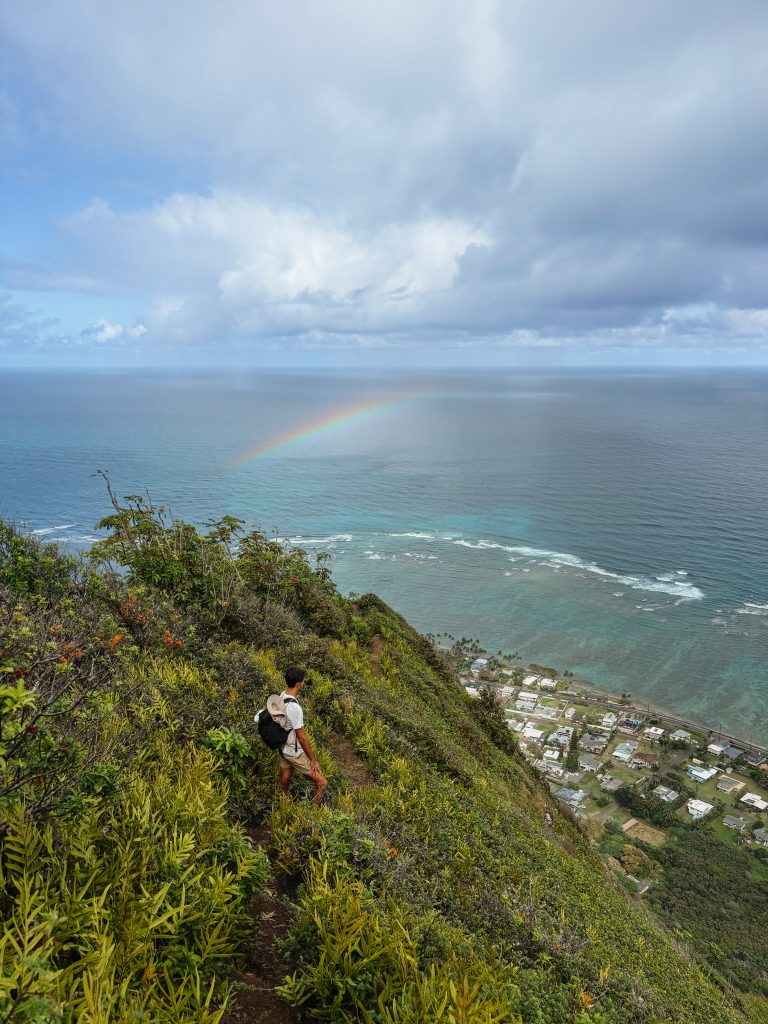
I did not know I was afraid of heights until I was standing on a ridge with nothing on either side of me. Turns out I am.
Do not do this one in the wet, and do not do it if you’re not comfortable with exposure. It’s genuinely dangerous when it’s slippery. But if you’re up for it, it’s the hike I’d go back for first.
Kuliouou Ridge Trail
4.8 miles, 1,633 ft of climbing, 3 to 3.5 hours, free, southeast Oahu.
A proper ridge hike through forest and up a long set of steps, ending with a view that covers Lanikai, the whole east coast, and Diamond Head in the other direction. Hard but not scary, which makes it a good alternative if Kahekili sounds like too much.
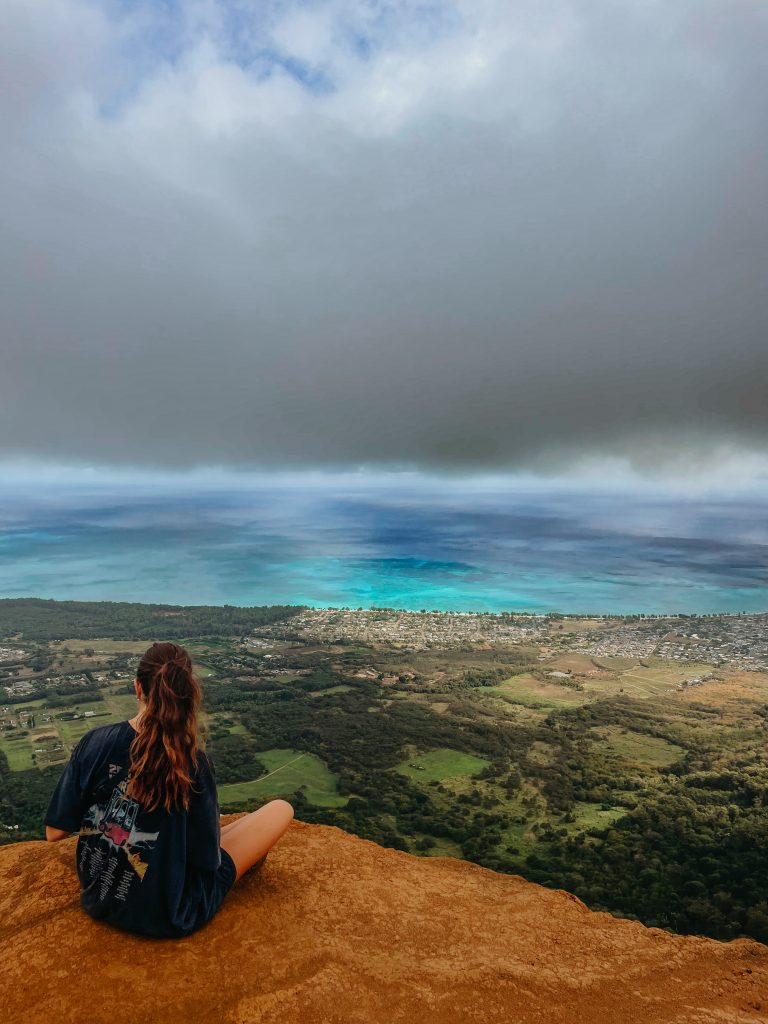
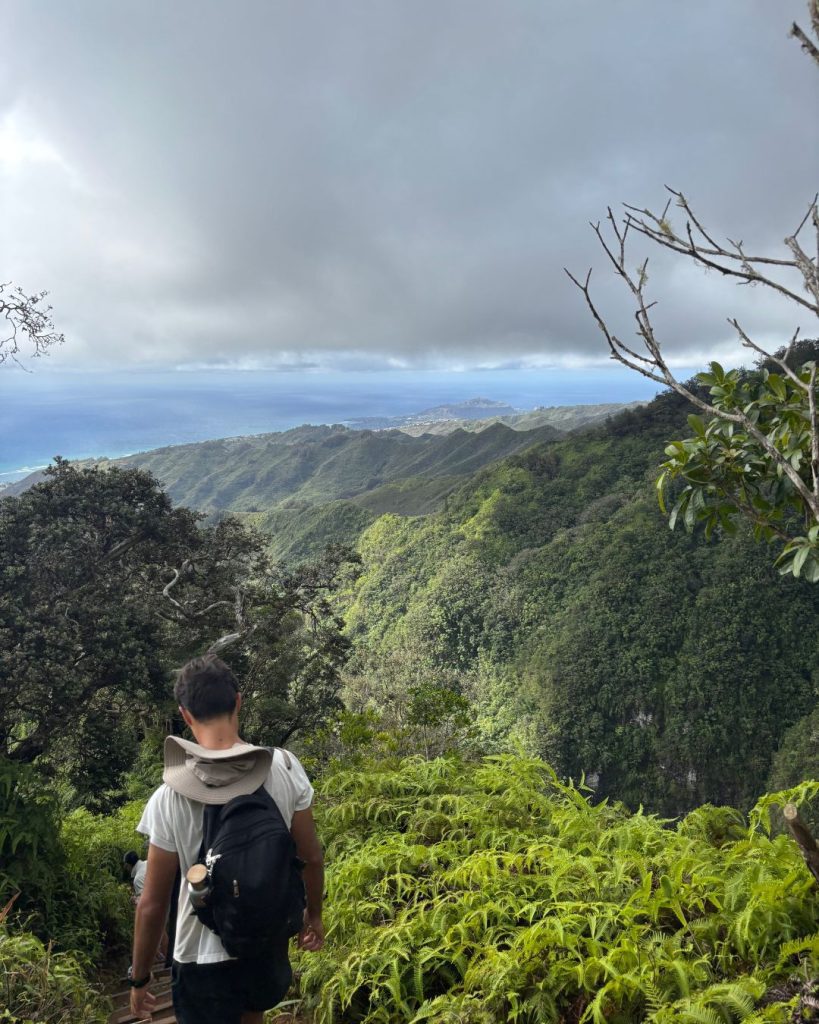
There’s no trailhead parking. You park in the residential streets around the Kalaau Place cul-de-sac and you may end up several blocks away, so go early.
Ehukai Pillbox Trail
2.4 miles out and back, around 700 ft, 1.5 to 2 hours, free, North Shore.
Maybe the best pillbox view on the island. It looks straight down over the North Shore and out to sea, and in winter you’re looking down at Pipeline going off. Go late in the day for the sunset.
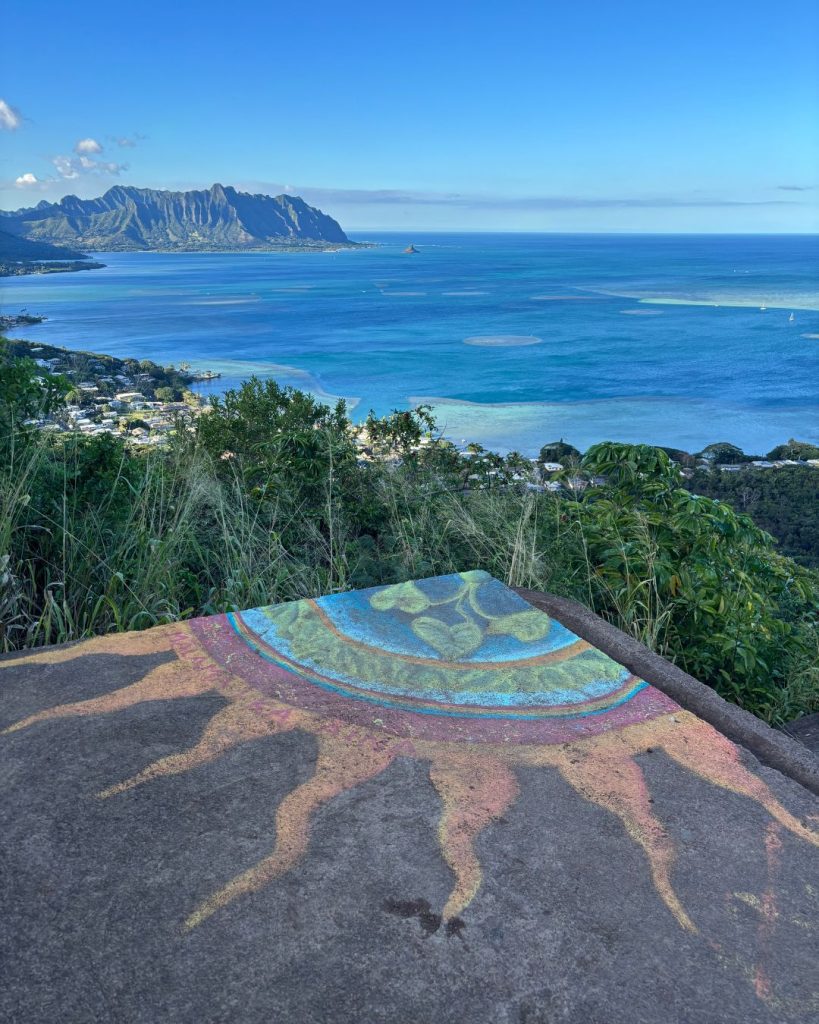
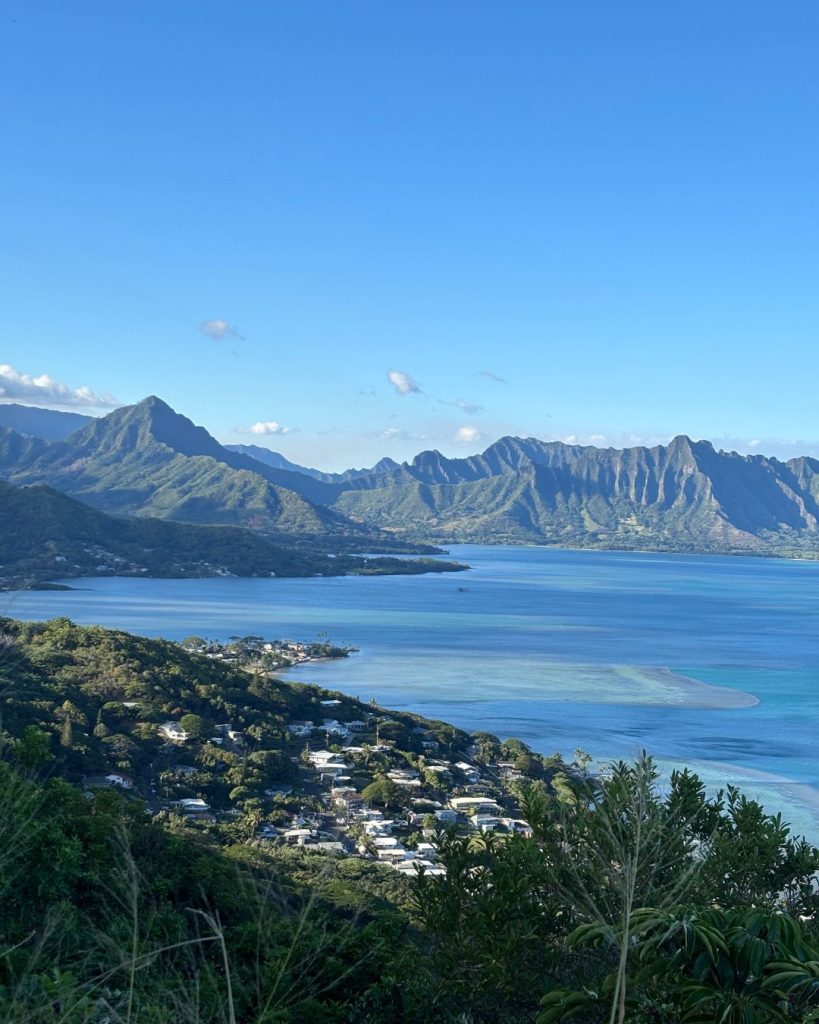
Park at Sunset Beach Elementary School, which fills up fast, or across the road at Ehukai Beach Park. The trail starts right at the school lot and it’s well marked.
Koko Crater Railway Trail, the stairs
Around 1.4 to 1.8 miles out and back, roughly 1,000 ft, 1,048 railroad ties, free parking at Koko Head District Park.
This is not a hike, it’s a staircase up the side of a crater, made of old railway sleepers, going more or less straight up. There’s a section in the middle where the ties bridge a gap and you can see straight through to the ground below, which is when most people start questioning their decisions.
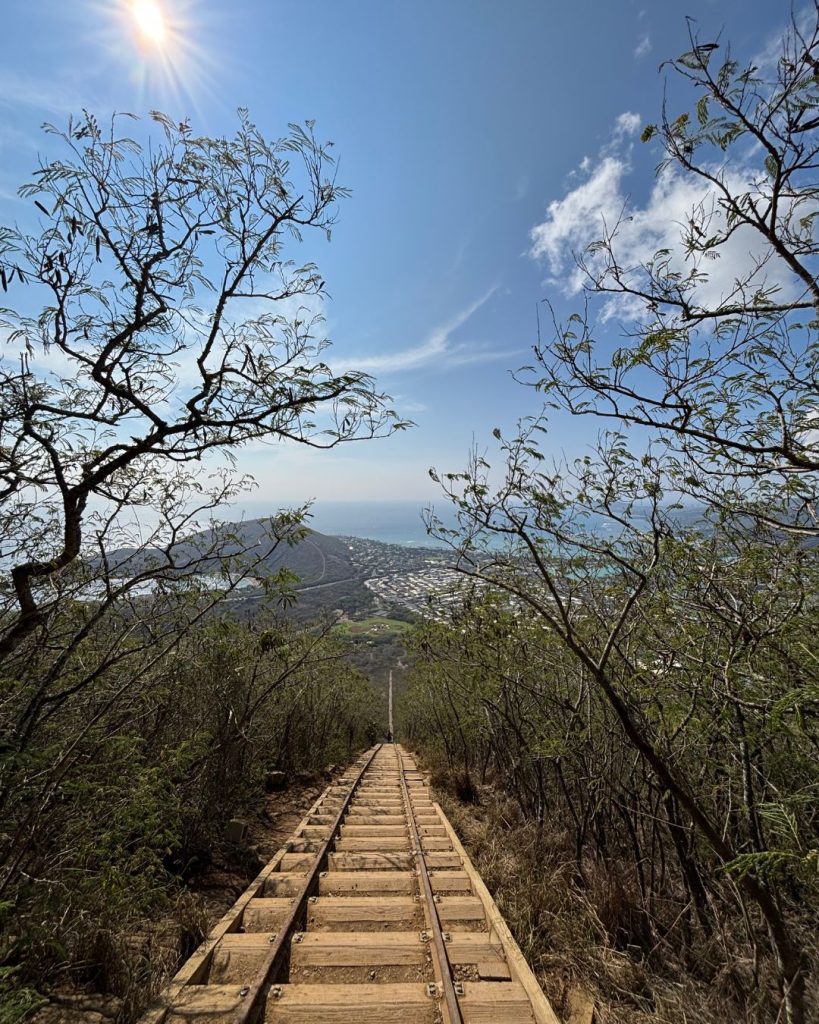
The view at the top is fantastic. I know this because I got there and immediately gave myself heatstroke. Go at sunrise or late afternoon, take twice as much water as you think you need, and don’t do what I did and climb it in the middle of the day.
Kaena Point via Farrington Highway
Around 5.6 miles out and back, almost flat at around 280 ft, 2 to 2.5 hours, free, dirt lots at the end of the highway on the Mokuleia side.
A flat coastal walk out to the westernmost tip of the island, along an old road the ocean has been slowly eating. At the end there’s a protected seabird reserve with a predator fence, and albatross nesting there in winter. It’s wide open, wild and wonderful, and you can keep going past the point.
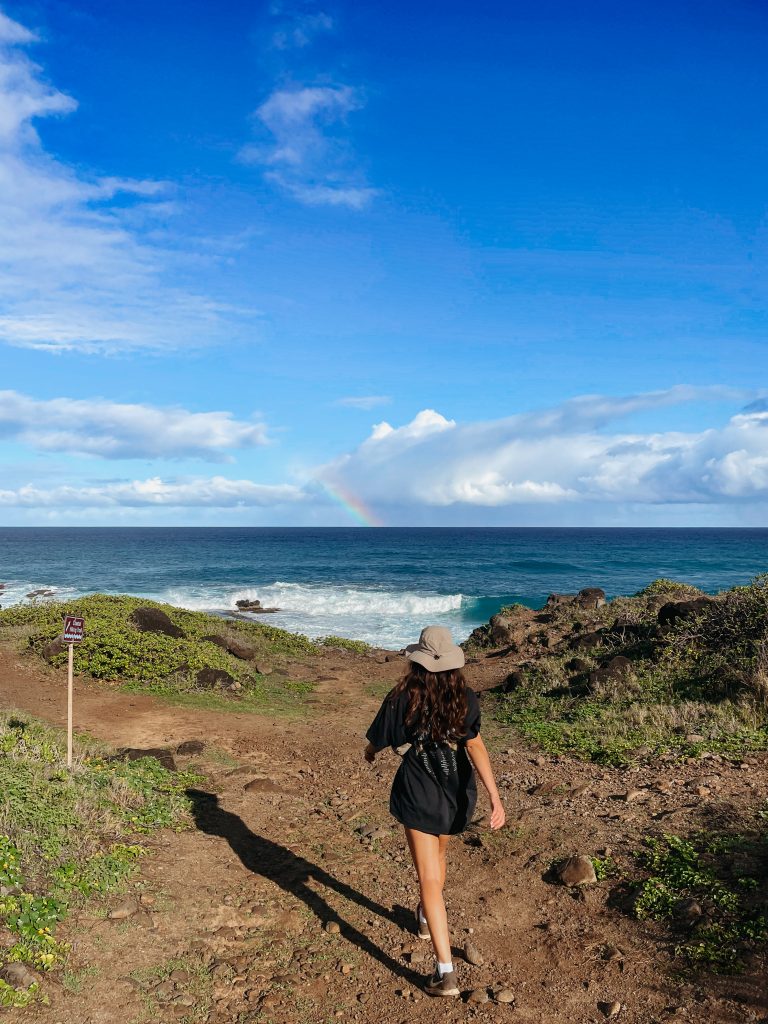
No shade at all, so take water and a hat. And genuinely, leave nothing visible in your car at that trailhead.
Lanikai Pillbox (Kaiwa Ridge)
Around 1.5 miles out and back, roughly 600 ft to the second pillbox, free, Kailua.
Short, steep and slippery on loose gravel, with a view over Lanikai and the Mokulua islands that explains why it’s on every Oahu list ever written. Do it at the end of the day for sunset, or at sunrise if you don’t mind sharing it with forty people.
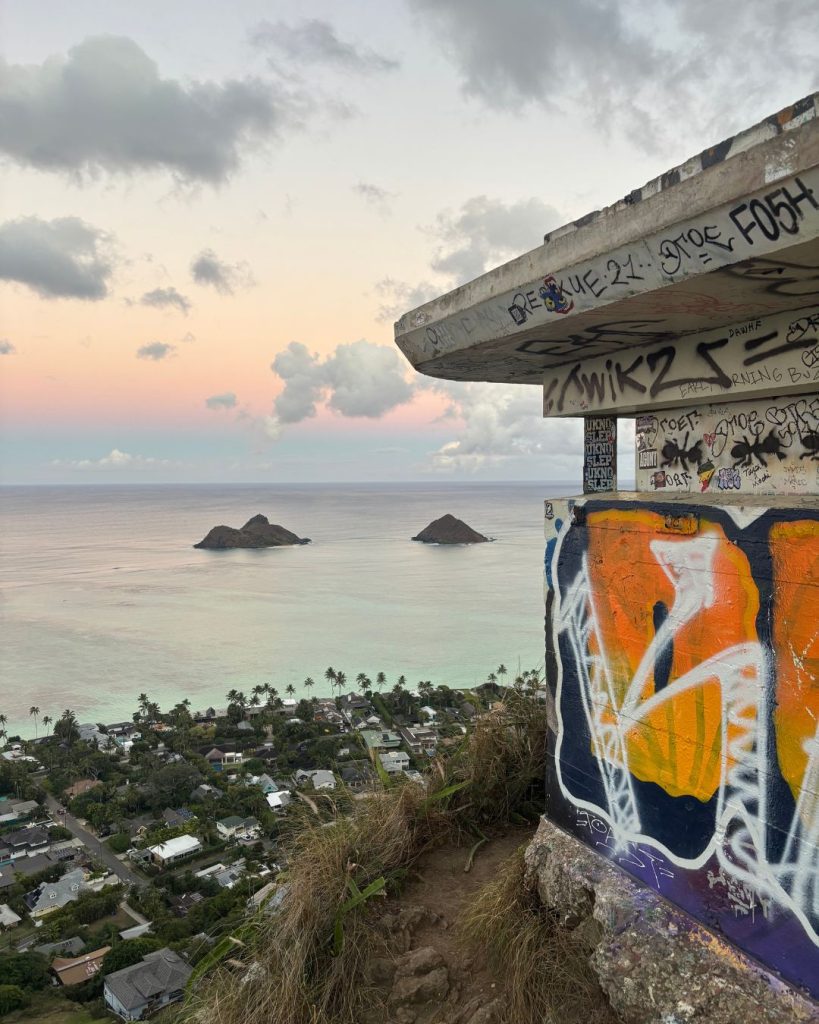
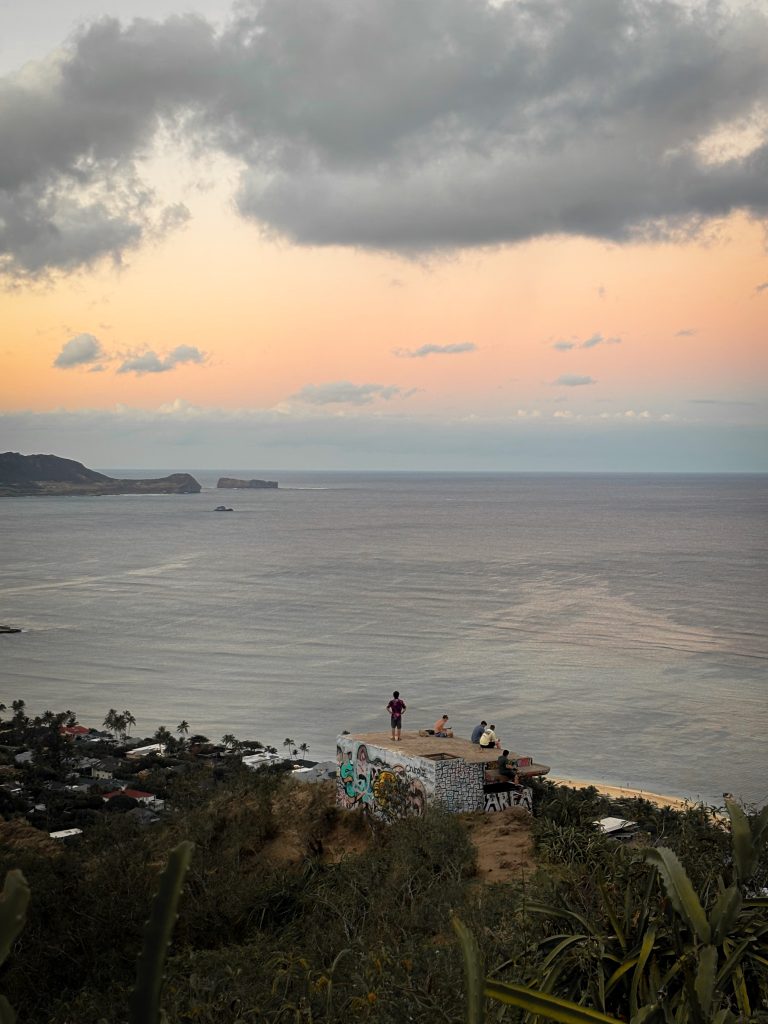
The catch is parking, and it’s now a serious catch. See the Lanikai Beach section above. Park at Kailua Beach Park and walk in.
Makapuu Point Lighthouse Trail
2 miles out and back, around 500 ft, fully paved, about 1.5 hours, free, free lot open roughly 7am to 6:45pm.
Easy, paved, and very pretty, with Rabbit Island and Molokai on a clear day, plus whale watching from the top between roughly December and April.
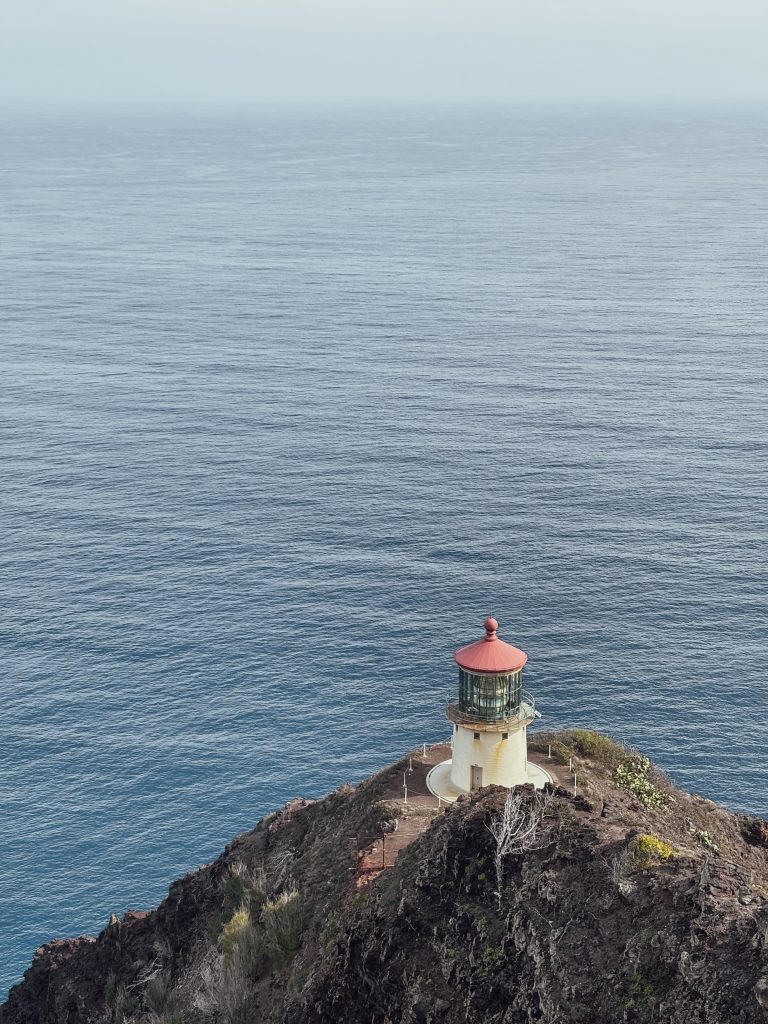
I’ll be honest, it’s extremely touristy and it’s basically a wide footpath. It’s fine. If you have limited time and you want one easy coastal view, do it. If you’re choosing between this and Ehukai or Kuliouou, don’t do this one.
Diamond Head (Leahi Summit Trail)
Around 1.6 miles out and back, about 560 ft, roughly 1 to 1.5 hours. $5 per person entry plus $10 per vehicle parking for non-residents, reservation required in advance.
Reservations open 30 days ahead and you have to book both entry and parking online before you go. Turning up without one means being turned away. Hawaii residents get in free with ID and don’t need a reservation. You have to arrive within the first 30 minutes of your booked slot or they can refuse you.
It’s a beautiful crater and the view over Waikiki is great. It’s also the single most touristed trail on the island by a mile, it’s a queue on a path, and there are so many better hikes on Oahu. If you only do one hike, please don’t make it this one.
Towns: Honolulu, Haleiwa, Laie
Honolulu, and I’m sorry
I did not like Honolulu. I want to be fair about why.
We’d just come from a week on Kauai, an island that has kept every bit of its charm, where we’d been camping next to empty beaches. Then we flew into Honolulu, looked out of the window at a wall of high rises and eight lane roads, and it felt like landing in Los Angeles. My first thought was something like, what is this hell.
We did Waikiki properly, we did New Year’s Eve on the beach, which was actually a great night. And then the next day we left, and we did not come back until the evening before our flight home.
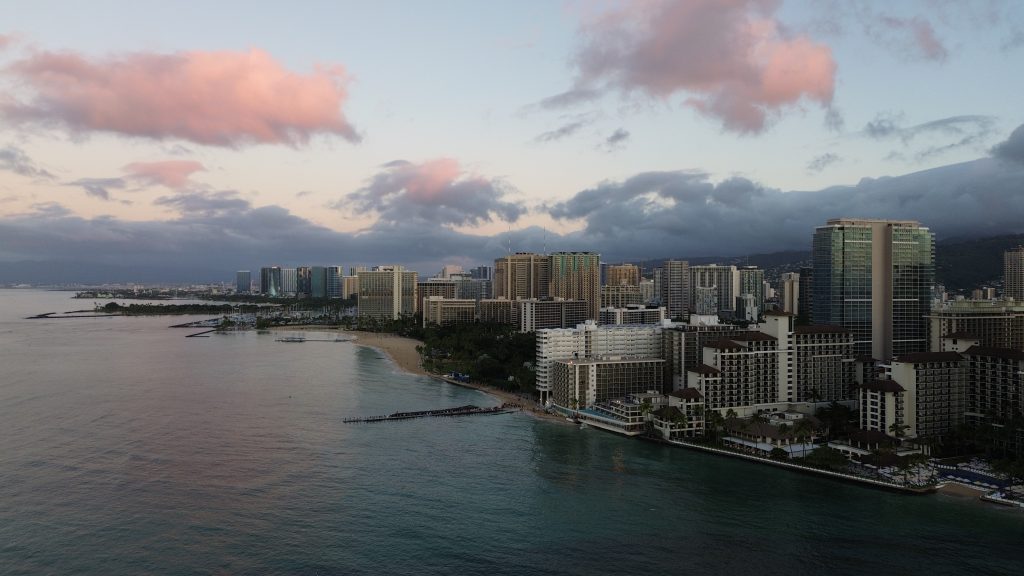
That’s a personal reaction, not a recommendation. If you like cities, if you want restaurants and nightlife and a real surf scene, Honolulu will give you all of that and it’s the only place on the island that does. But if you came to Hawaii for what I came to Hawaii for, give it a day and then get out.
Haleiwa
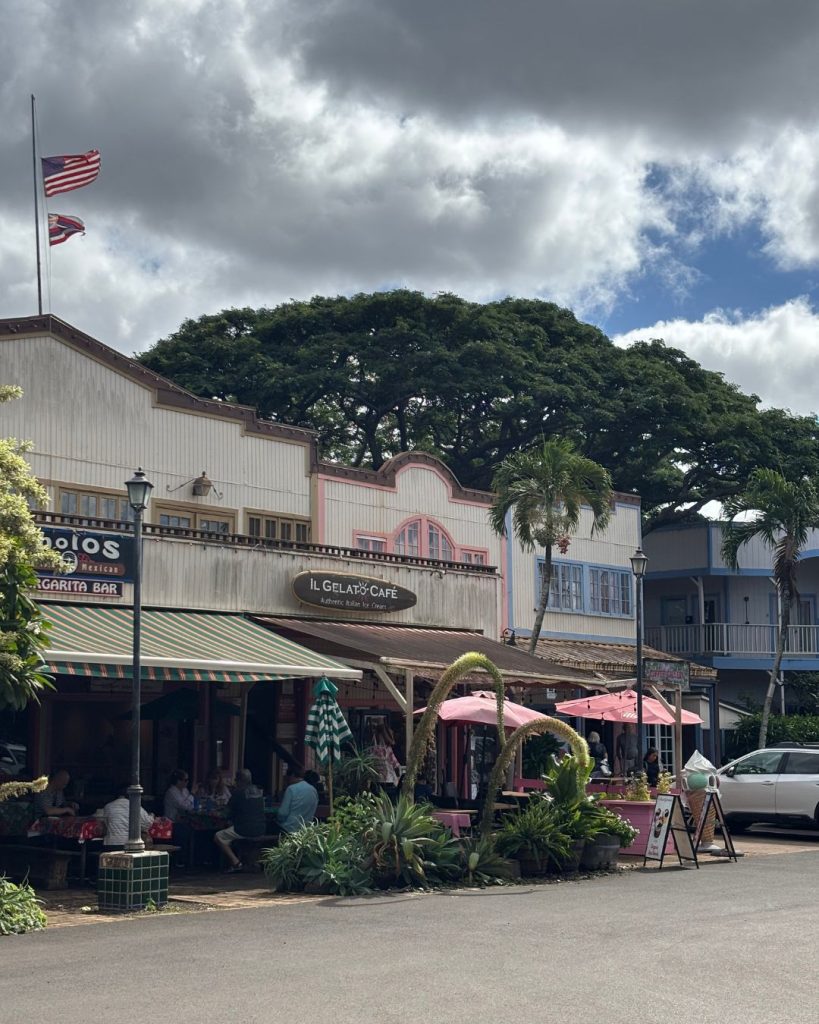
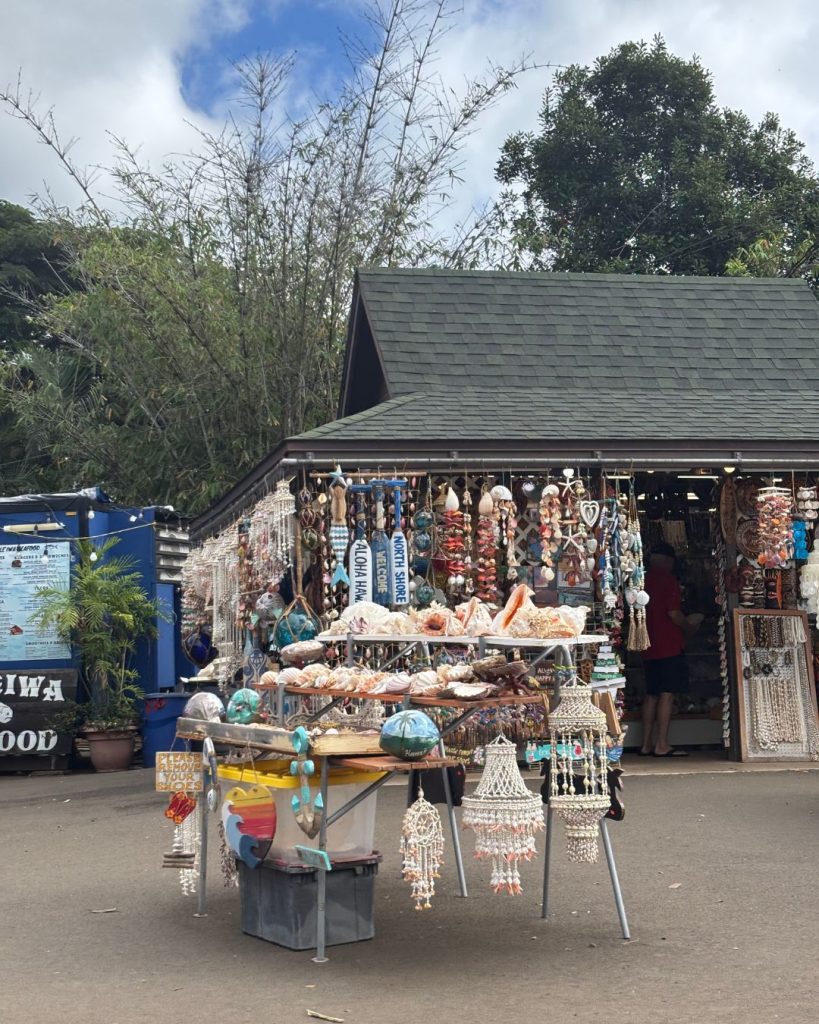
The North Shore’s main town, and the opposite of Honolulu in every way. Low buildings, surf shops, shrimp trucks along the highway, shave ice, and everything moves at about half speed. It’s the natural base for the whole North Shore and it’s where you’ll end up buying groceries and beer between beaches.
Laie
Up on the northeast corner, home of the Polynesian Cultural Center and Laie Point, a cliff lookout with a sea arch just off the coast. It’s the kind of stop you make on the way round rather than a destination in itself.
What I’d do differently
Book the campground the second reservations open. Two Fridays before, at 5pm HST, alarm set. Hoomaluhia is the one to go for.
Plan around the Wednesday and Thursday gap. Every county campground on the island shuts from Wednesday morning to Friday afternoon. Know which two nights those are for your trip and book something for them before you land, whether that’s a Hipcamp, a hostel or a cheap room. That single piece of planning would have fixed almost everything that went wrong for us.
Base myself on the North Shore, not the windward side. Waimanalo was lovely and cheap, but we spent a lot of driving getting up to the beaches and hikes we liked most.
Budget for bag fees. The free checked bag era is over. If you’re moving camping gear between islands now, that’s real money and it needs to be in the spreadsheet.
Not climb Koko Crater at midday. Self-explanatory.
Oahu is not the easy Hawaiian island and it’s not the one I’d tell someone to visit first. But for 55 dollars a day each, with a tent, a car and a slightly relaxed attitude toward where you sleep, it gave us empty beaches, a turtle coming ashore three metres from my feet, the hardest ridge I’ve ever climbed, and a police officer knocking on our window at 2am. I’d go back tomorrow.