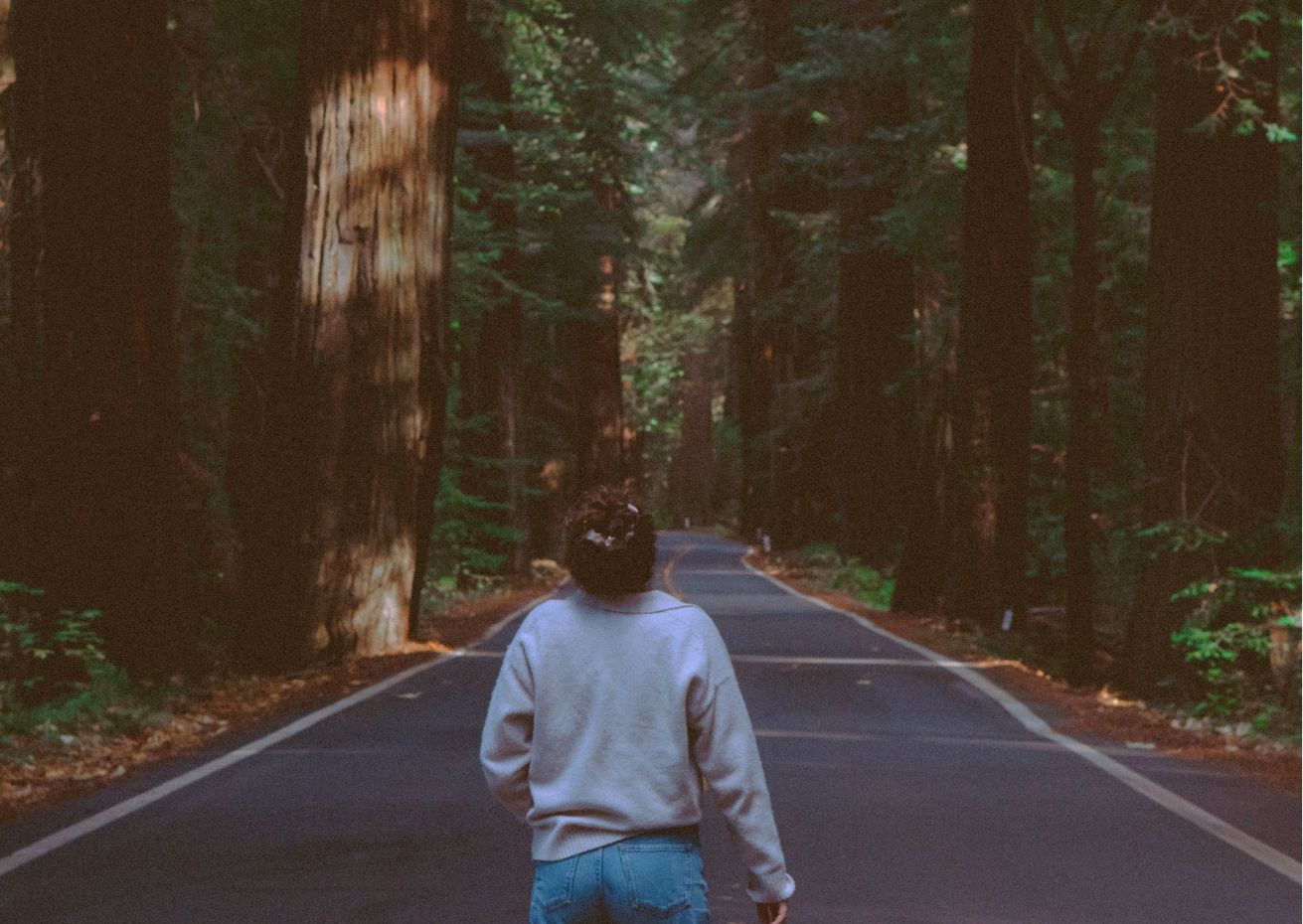
Redwood National Park South Entrance: What I Wish I Knew Before Going
A first hand guide to the south of Redwood National Park, from the Avenue of the Giants to the best short hikes, based on our trip from Napa Valley.
We visited Redwood National Park during our wine harvest season in Napa Valley, over the long Thanksgiving weekend in 2025. It’s about a 5 hour drive from Napa, all the way up to the edge of Oregon, so this was not a quick weekend trip, but the kind where you leave before sunrise and just accept that most of your day will be spent in the car. And honestly, the drive there is already an adventure on its own. I’ll get into that a bit further down, because a big part of what makes this trip special happens before you even reach the park entrance. If you’re curious how I actually get to spend months in Napa every year, I broke down the whole J1 visa process here.
Best Time of Year to Visit the California Redwoods
If you can choose, spring (April to June) or early fall (September and October) are your best bet. The weather is calmer, the trails are dry, and you get some of the clearest skies of the year, without the summer crowds. Summer is technically the driest season, but mornings are often wrapped in thick coastal fog, which is beautiful in its own eerie way, but not ideal if you’re hoping for wide open views.
Winter is a different story. It rains a lot, some roads can close, and the forest turns into this dripping, moody, almost prehistoric version of itself. We went at the very end of November, right around Thanksgiving, and we got lucky with a few dry days, but it was cold, and the light disappears fast in the afternoon. If you go in that season, just know you’re trading blue skies for silence and empty trails, which honestly has its own kind of magic.
Is Redwood National Park Free to Visit?
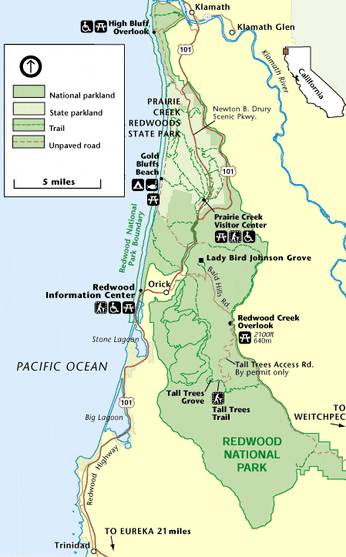
Yes. Redwood National Park itself has no entrance fee and no entrance stations, so you just drive in. Nobody asked us for a pass or a ticket of any kind, and looking into it afterward, that matches how the park actually works, there are no gates at all.
Where it gets a little more complicated is that the park is jointly managed with three California State Parks (Jedediah Smith, Del Norte Coast, and Prairie Creek Redwoods), and some of their day use areas, like Gold Bluffs Beach and Fern Canyon, do charge a small day use fee or require a permit, especially in the May to September window. So the core of the park is free, but keep a bit of cash or a card on you just in case you end up at one of those specific spots.
Where to Sleep: Eureka
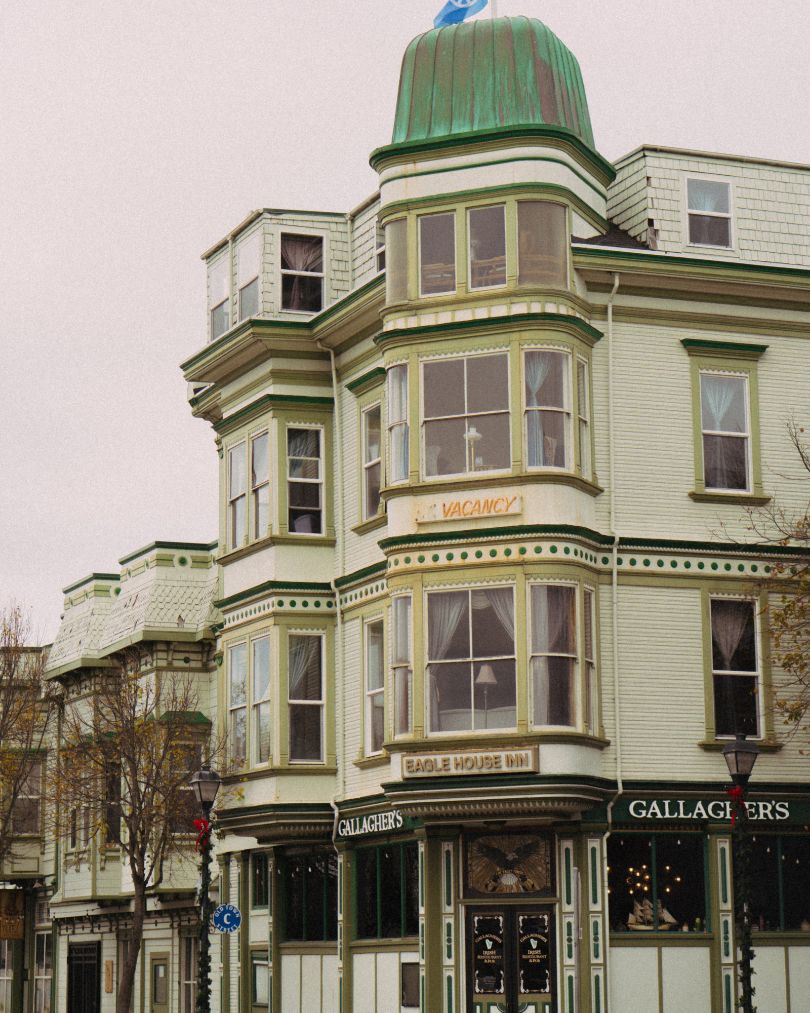
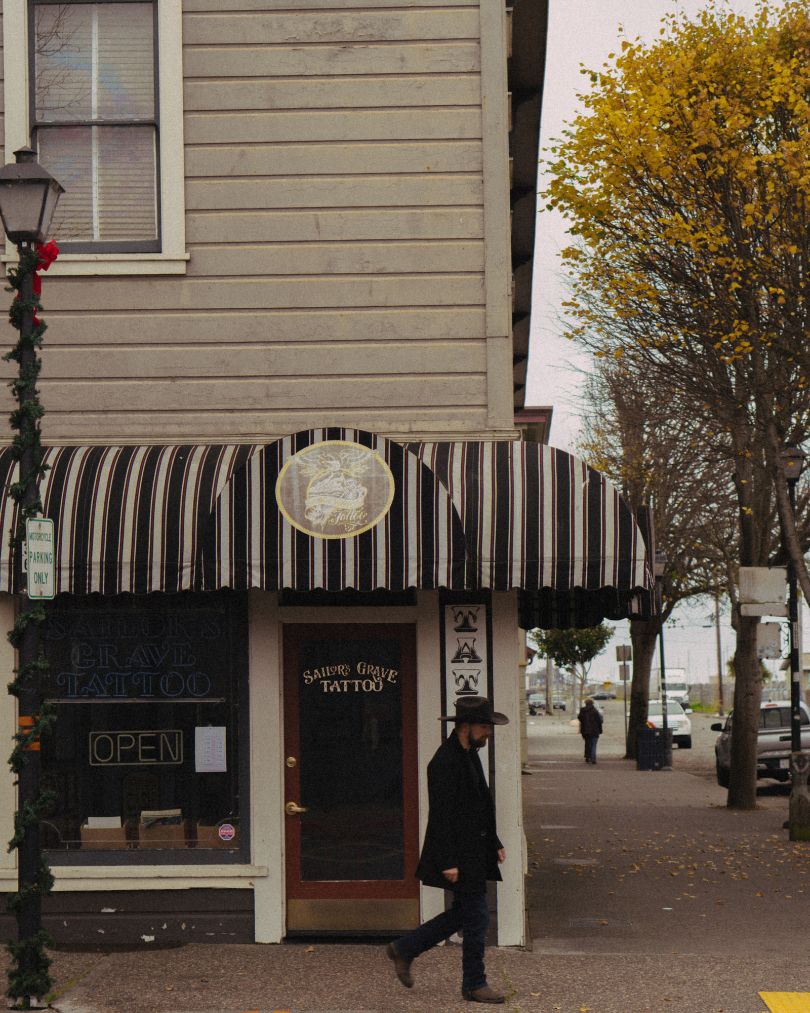
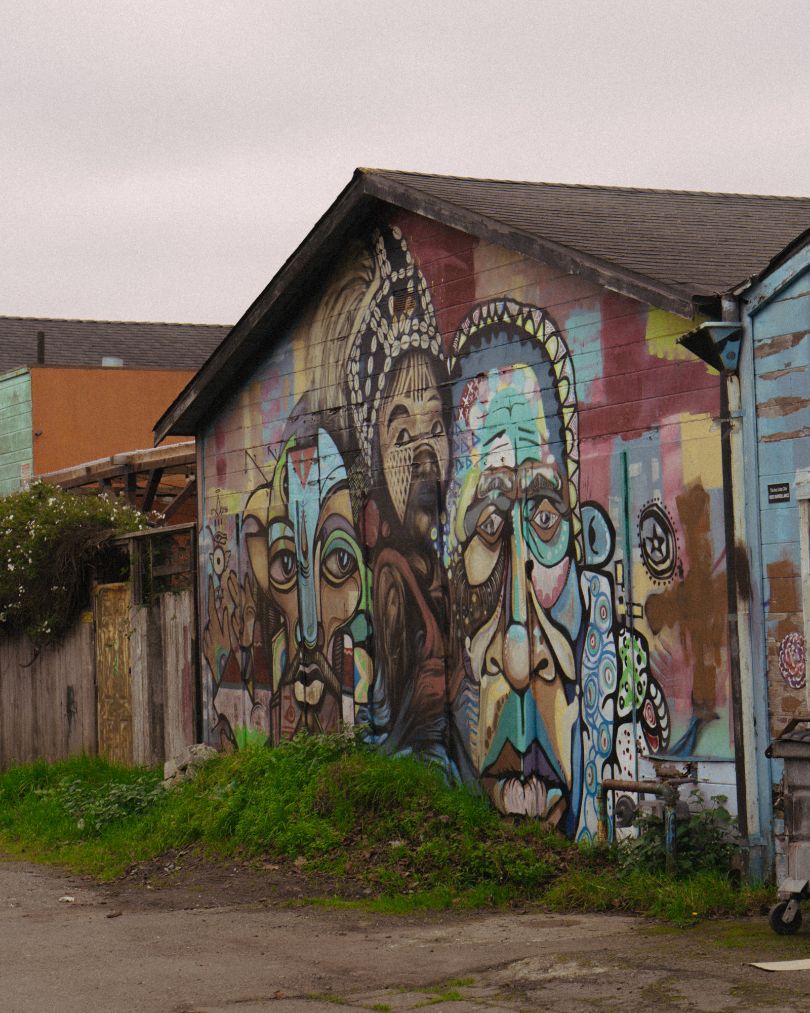
We slept in Eureka, in a motel, and I want to be honest about this one because it was a real experience. Eureka is a genuinely cute town, with a lot of character, old Victorian buildings, a nice waterfront feel. But it also has a very visible drug and homelessness problem, especially around downtown and Old Town, and that’s just something to know before you book a room there. It didn’t ruin our stay, but it’s not the polished little coastal town some photos make it look like. Go in with the right expectations and you’ll be fine.
What to Do Between Napa Valley and Redwood National Park
This is the part I promised earlier. The drive up from Napa is not just a way to get from A to B, it’s genuinely one of the best parts of the whole trip.
Avenue of the Giants
This is, without a doubt, the place that impressed me the most out of everything we saw on this trip, park included.
The Avenue of the Giants is a 31 mile scenic drive that runs along the old highway through Humboldt Redwoods State Park, right next to Founders Grove and Rockefeller Forest, one of the largest remaining old growth redwood forests in the world. You’re driving between walls of trees so tall you have to lean forward over the wheel just to see the top of them.
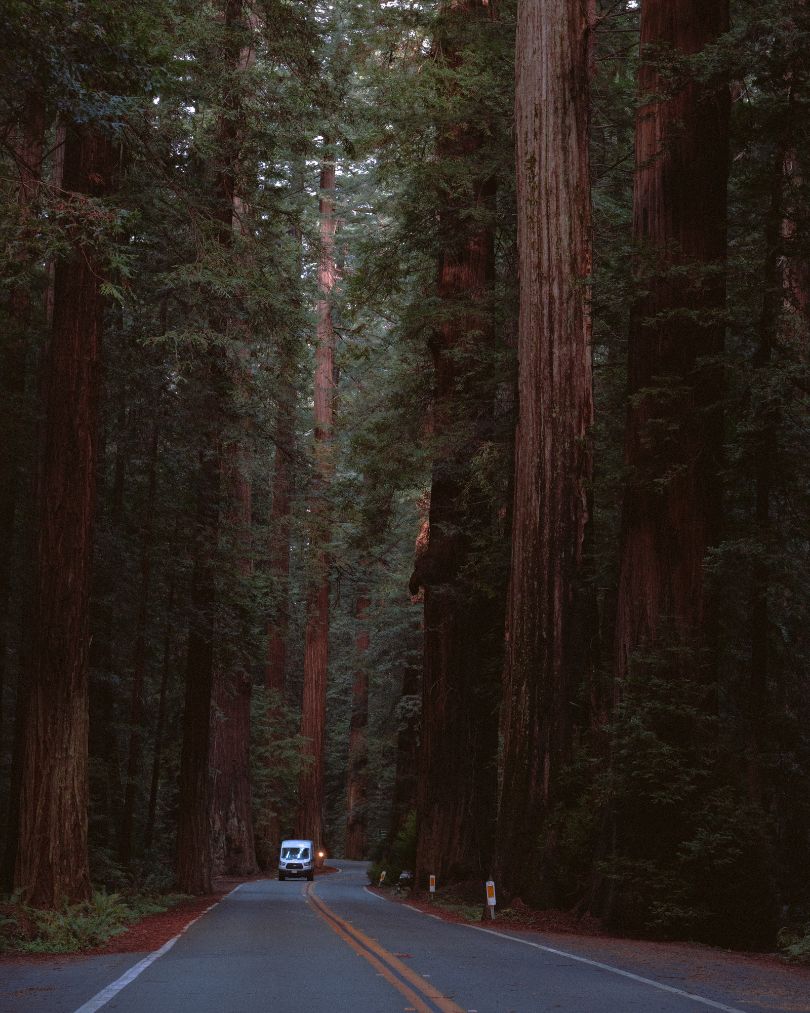
My advice, don’t rush it. Take it slow, pull over whenever you see a spot to park, and just walk into the trees for a few minutes. It’s one of those roads where the whole point is not getting anywhere fast.
Founders Tree
Right along the Avenue, in Founders Grove, stands the Founders Tree, about 346 feet tall. What I found fascinating is that from 1931 to 1957, this tree was actually believed to be the tallest tree in the world, until a taller one was found nearby. It’s still an easy half mile loop trail, and you’ll also pass the Dyerville Giant, a massive redwood that fell in 1991 and used to be even taller than Founders Tree. Walking along its fallen trunk really puts the scale of these trees into perspective, you feel tiny standing next to something that big even lying on the ground.
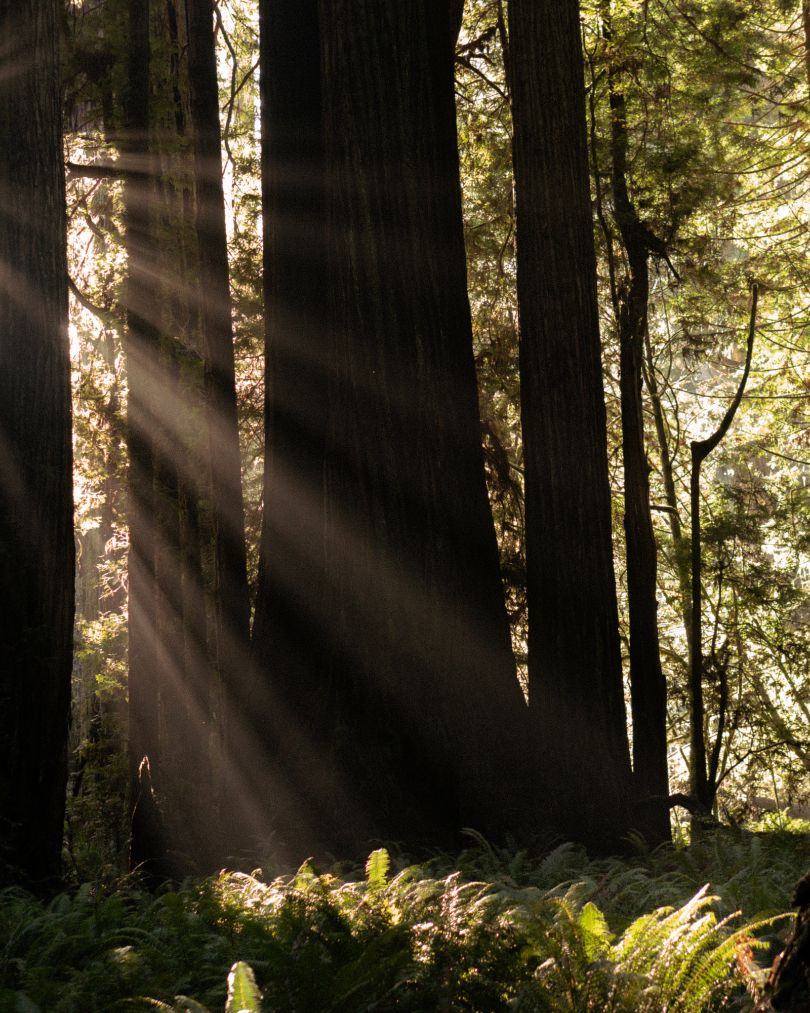
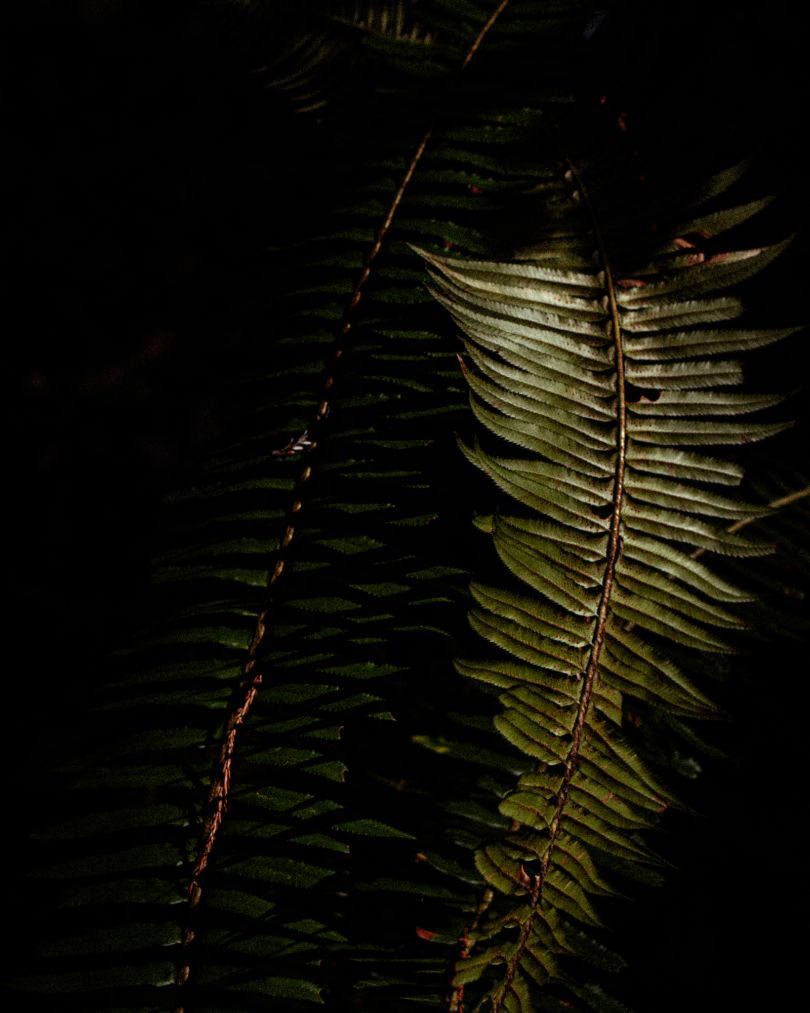
That’s the thing about redwoods that kept blowing my mind the whole trip, some of these trees can live over 2,000 years, and they need 400 to 500 years just to reach full maturity. The tallest known living tree on Earth, called Hyperion, is actually hidden somewhere in Redwood National Park, at almost 380 feet tall. Nobody tells you exactly where it is, on purpose, to protect it from too much foot traffic. Just knowing a tree like that exists somewhere close by while you’re driving through gave me chills.
Enoch Percy French Grove (the Girdled Tree)
Another easy stop right along the Avenue, near the small town of Pepperwood at the north end of Humboldt Redwoods State Park, is the Enoch Percy French Grove. It’s a short half mile loop, and the ground here is covered in a thick carpet of redwood sorrel that makes the whole grove look a bit like a fairy tale.
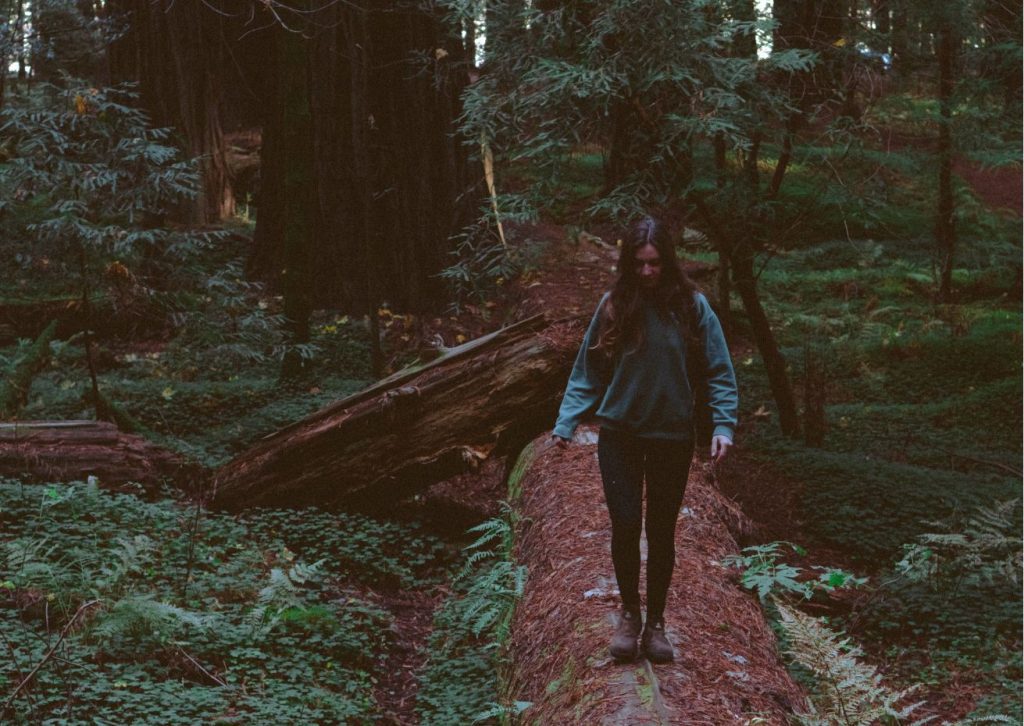
The main reason to stop is the Girdled Tree. Back in 1901, part of its bark was stripped off so it could be shipped to San Francisco and displayed at an exhibition. More than a century later, the tree is still alive, and you can actually see the bark slowly growing back over the exposed wood. It’s a strange thing to stand in front of, this tree has basically been healing itself in front of visitors for over 120 years.
Ferndale
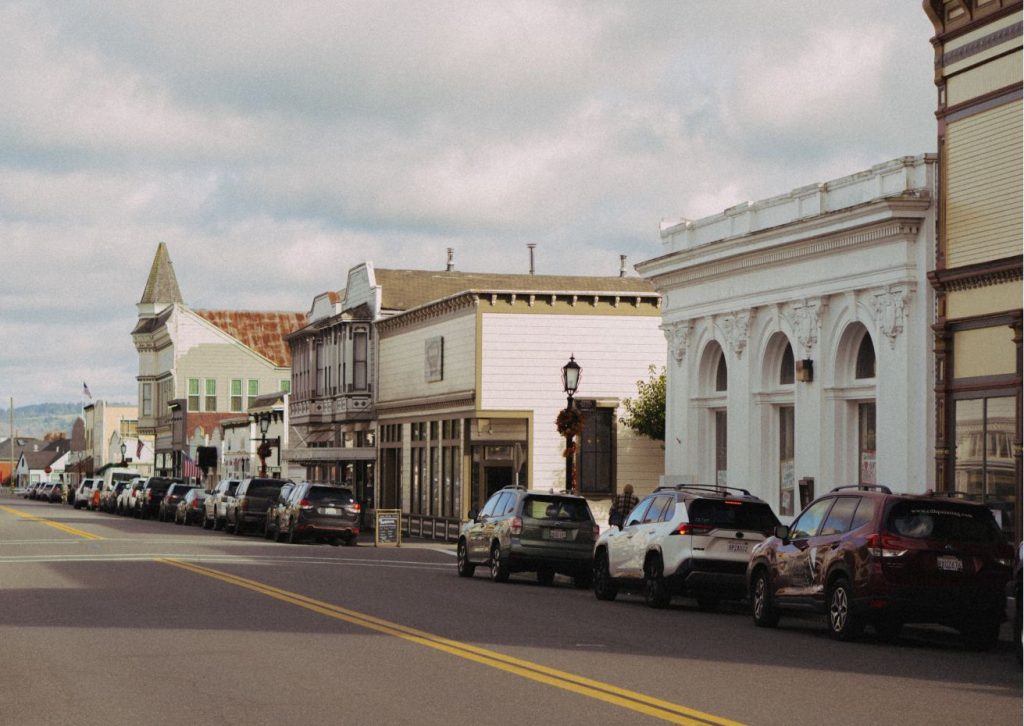
A small detour worth taking is Ferndale, a Victorian village near the Eel River, often called one of the most well preserved Victorian towns in California. Its main street is lined with colorful old storefronts, and it’s a nice, easy stop to stretch your legs and grab a coffee before getting back on the road.
Trinidad State Beach
Further north, Trinidad is a small, artsy coastal town with a dramatic coastline of sea stacks and rocky coves. Trinidad State Beach is right there, and it’s a great excuse to get out of the car and smell the ocean for a bit before heading back into the forest.
Redwood Creek Beach County Park
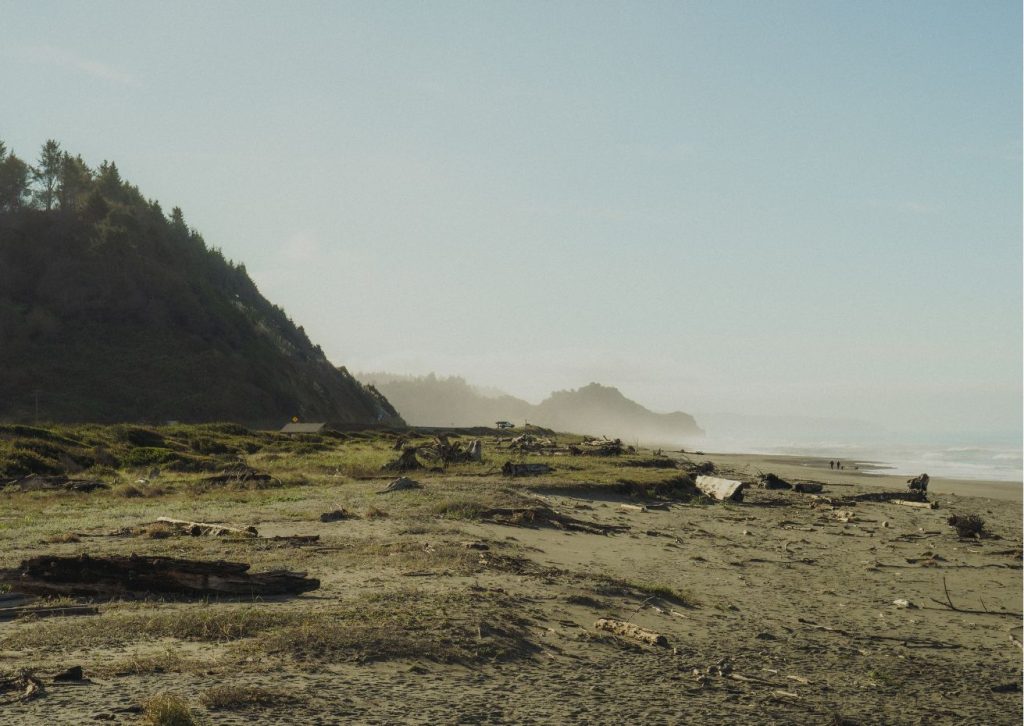
Close to Orick, right at the edge of the park, this is another easy beach stop if you want to combine the redwoods with a bit of coastline on the same day. Just don’t plan on swimming, the water here is cold and the currents can be strong.
Stop at Thomas H. Kuchel Visitor Center
Once you get close to Orick, stop at the Thomas H. Kuchel Visitor Center. It’s the main visitor center for the south end of the park, and honestly, it’s worth stopping here first to grab a map and ask the rangers what’s open and what to prioritize.
I’ll be honest, the park is so big that we only had time to explore the southern part of it. Redwood National and State Parks actually stretch along a huge chunk of coastline, and there’s a whole northern section around Crescent City and Jedediah Smith that we didn’t even get close to. So if you’re planning your trip, know that “doing Redwood National Park” in one weekend usually means picking a section, not seeing all of it.
Hikes to Do in the South of the Park
| Trail | Distance | Difficulty | Time |
|---|---|---|---|
| Lady Bird Johnson Grove Trail | ~1.4 miles loop | Easy | 30–60 min |
| Trillium Falls Trail | ~2.6 miles loop | Easy to moderate | 1–2 hours |
| Big Tree Wayside | Under 0.2 miles round trip | Easy | 10–15 min |
Big Tree Wayside
If you only have a few minutes to spare, this is the one to pick. Big Tree Wayside is in Prairie Creek Redwoods State Park, just off the Newton B. Drury Scenic Parkway, and the walk from the parking lot to the tree itself is less than 200 yards on a flat, paved path. There’s a viewing platform right at the base of the tree, so you get a proper look at just how wide these trunks really are without any real hiking involved.
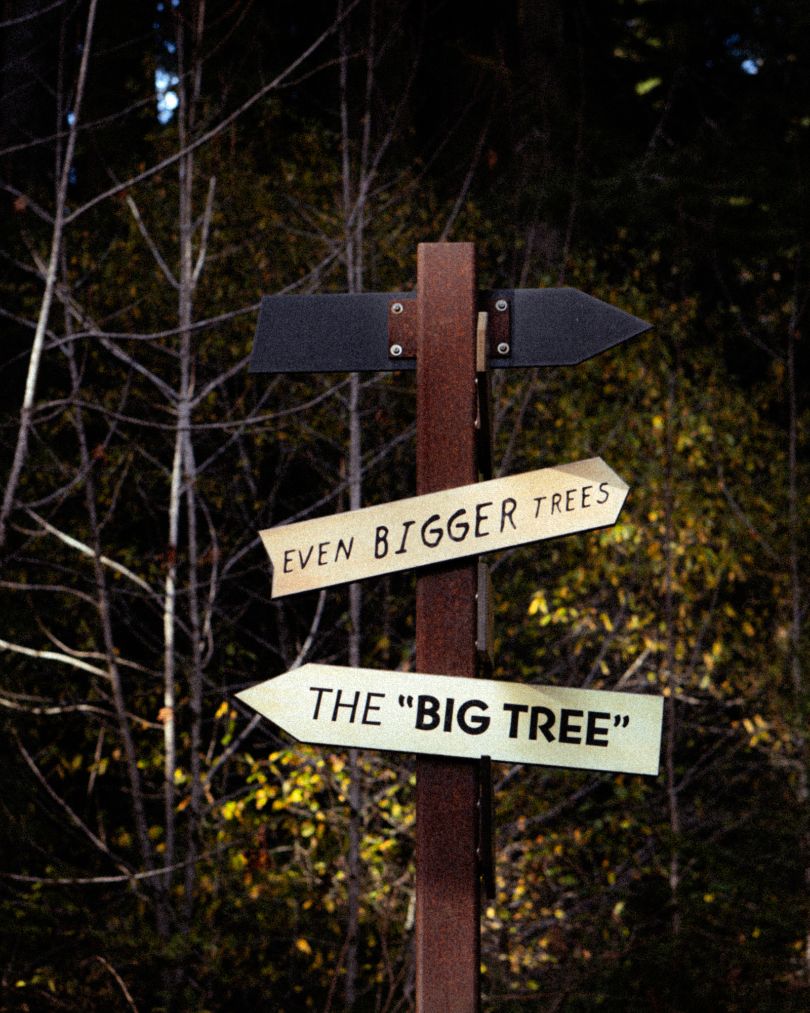
Lady Bird Johnson Grove Trail
This one is an easy, flat loop through an old growth grove, and it’s dedicated to former First Lady Lady Bird Johnson for her conservation work, the park was actually established the same year the dedication took place, in 1969. There’s a little box at the start with a $1 self guided brochure that matches numbered stops along the trail, and it’s a really nice way to actually understand what you’re looking at instead of just walking past ancient trees without knowing their story.
Trillium Falls Trail
A bit longer and slightly more up and down, this loop takes you through more old growth redwoods and past a small waterfall, Trillium Falls, more of a gentle cascade than a big dramatic fall, but still a nice spot to stop. This is also one of the better trails if you’re hoping to spot Roosevelt elk, since it passes close to Elk Meadow.
The Way Back: Driving the Coast
Instead of driving straight back down through the same route, we came back south along the coast on Highway 1, and honestly, I’d recommend doing the same. It turns the trip back into its own mini road trip.
Mendocino, a small coastal village known for its Victorian architecture and art galleries, is a nice first stop to stretch your legs.
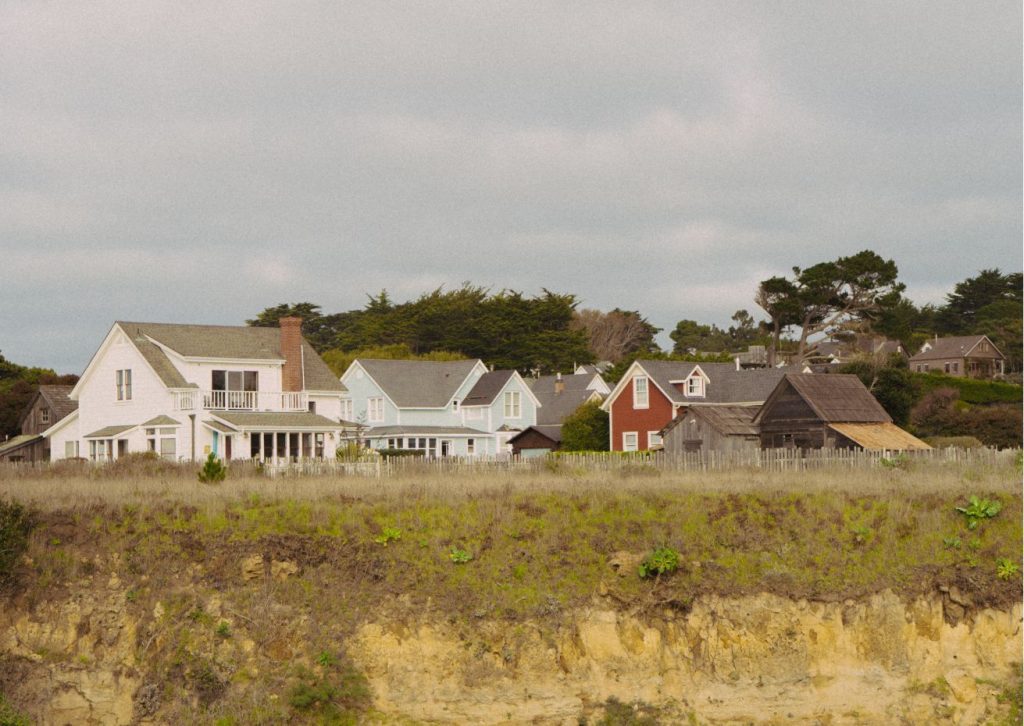
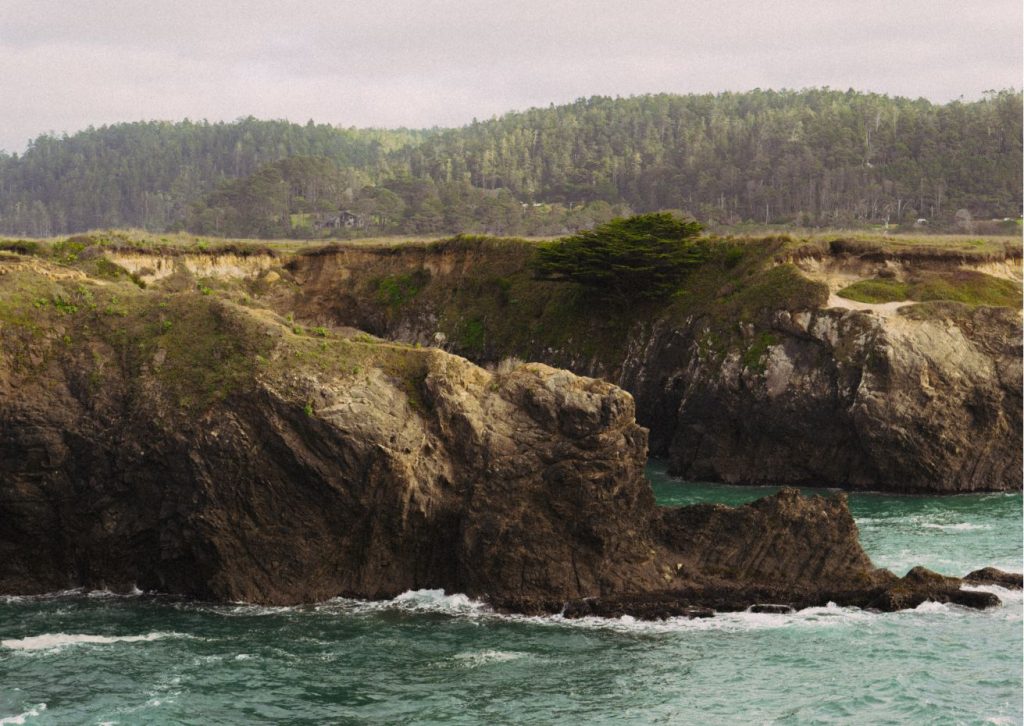
Glass Beach, near Fort Bragg, is a strange and honestly kind of poetic place. From 1906 until the late 1960s, this spot was used as a dump, and decades of waves smoothing down all that broken glass turned it into a beach covered in small, colorful sea glass pebbles. It’s part of MacKerricher State Park now, and picking up the glass isn’t allowed, so just enjoy it with your eyes.
Salt Point State Park is a good stop if you want a wilder stretch of coastline, with sandstone cliffs, tide pools, and a lot fewer people than the more famous spots further south.
Fort Ross, a former Russian fur trading outpost from the early 1800s, is a strange little pocket of history to find on the California coast. It’s worth a short stop to see the reconstructed fort and chapel, and to picture Russian traders living on this exact stretch of coastline two centuries ago.
Armstrong Redwoods State Natural Reserve, near Guerneville, is one last chance to walk among old growth redwoods before heading back into Napa or Sonoma wine country, a nice full circle way to end the trip.
Honestly, this whole loop, from Napa up to the redwoods and back down the coast, ended up being one of my favorite trips of the whole harvest season. Standing under trees that were already centuries old before anyone in my family was even born puts things into perspective in a way that’s hard to explain until you’ve actually stood there yourself.